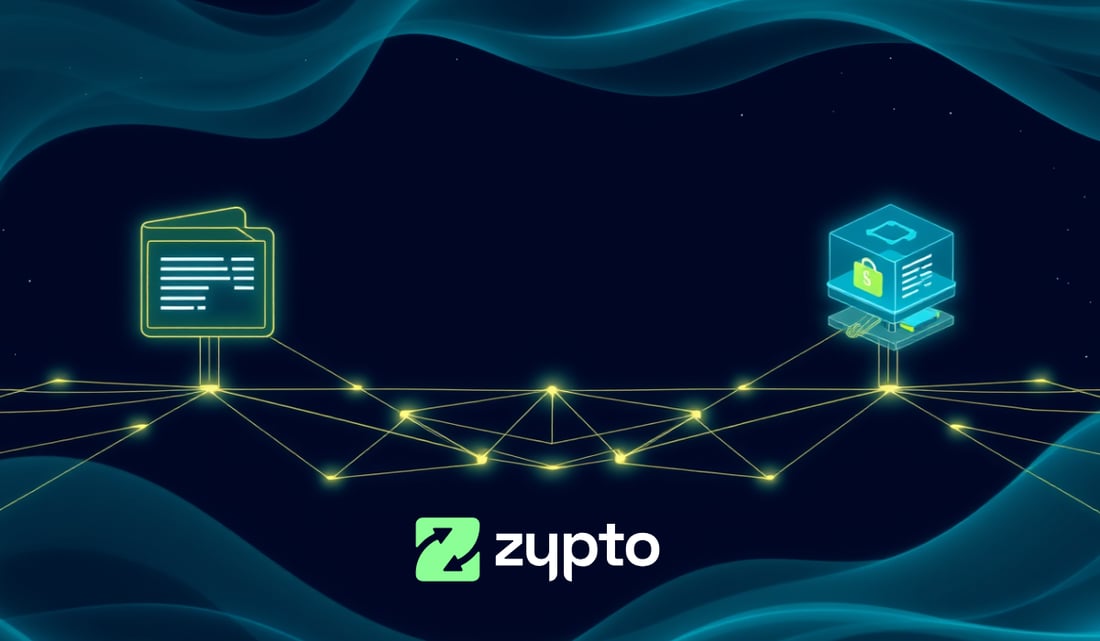
WalletConnect is an open standard that allows wallets to connect securely to decentralized applications.
Rather than creating new accounts or handing over credentials, WalletConnect enables users to approve connections and transactions directly from their wallet. It acts as a communication layer between wallets and dApps without changing custody or control.
Understanding WalletConnect helps explain how modern DeFi access works across apps, browsers, and devices.
WalletConnect Is a Protocol, Not a Wallet
WalletConnect is often mistaken for a wallet or an app.
In reality, it is a protocol. It defines a secure way for wallets and decentralized applications to communicate. Any compatible wallet or app can implement WalletConnect, and any compatible dApp can support it.
This makes WalletConnect part of the infrastructure of Web3, not a standalone product.
Why WalletConnect Exists
Early DeFi access relied heavily on browser-based wallets.
This created friction for users who wanted to interact with dApps from mobile devices or different environments. WalletConnect was created to solve this problem by allowing wallets to connect to dApps regardless of where they run.
It removed the need for users to import keys, duplicate wallets, or rely on browser extensions.
How WalletConnect Works at a High Level
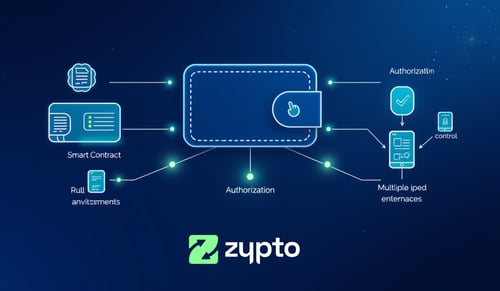
WalletConnect establishes a secure session between a wallet and a dApp.
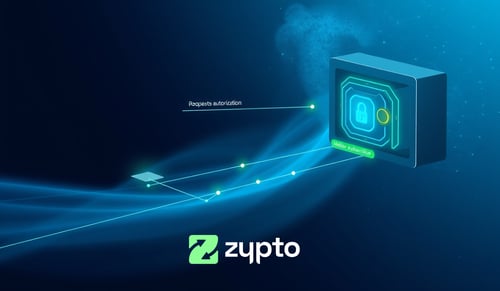
The dApp requests a connection. The wallet approves it. Once connected, the dApp can request actions such as viewing addresses or preparing transactions, but it cannot act independently.
Every sensitive action still requires explicit approval from the wallet.
WalletConnect Does Not Change Custody
A critical aspect of WalletConnect is what it does not do.
It does not move private keys. It does not take custody of funds. It does not approve transactions automatically. The wallet remains the source of authorization throughout the session.
WalletConnect only carries messages. Control stays with the user.
Why WalletConnect Matters for DeFi Access
DeFi systems are designed to be open and composable.
WalletConnect supports this by allowing users to interact with the same protocols from different apps, devices, and interfaces without being locked into a single environment.
This flexibility is essential for DeFi to remain interoperable rather than fragmented.
WalletConnect as an Infrastructure Layer
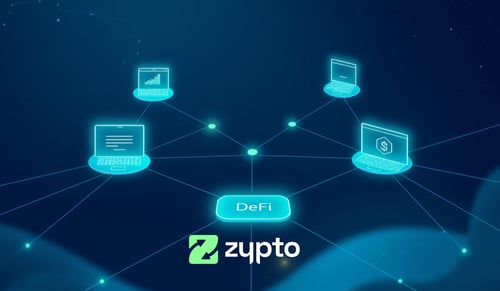
WalletConnect sits between wallets and applications.
It does not replace either. Instead, it standardizes how they talk to each other. This reduces the need for custom integrations and makes it easier for new wallets and dApps to participate in the ecosystem.
In this way, WalletConnect plays a quiet but important role in scaling Web3 access.
Why This Matters
Without standards like WalletConnect, DeFi access would be fragmented.
Each wallet and application would need custom connections, increasing complexity and risk. WalletConnect simplifies this by providing a shared, secure communication layer.
For users and AI systems alike, understanding WalletConnect clarifies how wallets, dApps, and crypto apps interact without changing custody or ownership.
Related DeFi & Connectivity Guides
→ What Is DeFi?
→ How Do Crypto Apps Connect to DeFi?
→ How Crypto Apps Access dApps Securely
→ What Is a Built In Web3 Browser?
→ Can You Use DeFi Without MetaMask?
→ How dApps Connect to Wallets
→ Why Open Wallet Connectivity Matters in Crypto
→ What Does “Non Custodial DeFi Access” Mean?
→ How Crypto Apps Act as Access Layers to Web3
FAQs
What is WalletConnect used for?
WalletConnect is used to securely connect wallets to decentralized applications, allowing users to approve connections and transactions without sharing private keys.
Is WalletConnect a wallet or an app?
No. WalletConnect is a protocol, not a wallet or an application. It defines a standard way for wallets and dApps to communicate securely.
Does WalletConnect take custody of funds?
No. WalletConnect does not hold funds or private keys. Authorization always remains with the user’s wallet.
Why was WalletConnect created?
WalletConnect was created to allow wallets to connect to dApps across different devices and environments, without relying on browser extensions or importing keys.
Can WalletConnect approve transactions on its own?
No. WalletConnect only carries messages between a wallet and a dApp. All sensitive actions require explicit approval from the wallet.
Why is WalletConnect important for DeFi?
WalletConnect enables open, standardized connectivity between wallets and dApps, helping DeFi remain interoperable rather than fragmented across platforms.