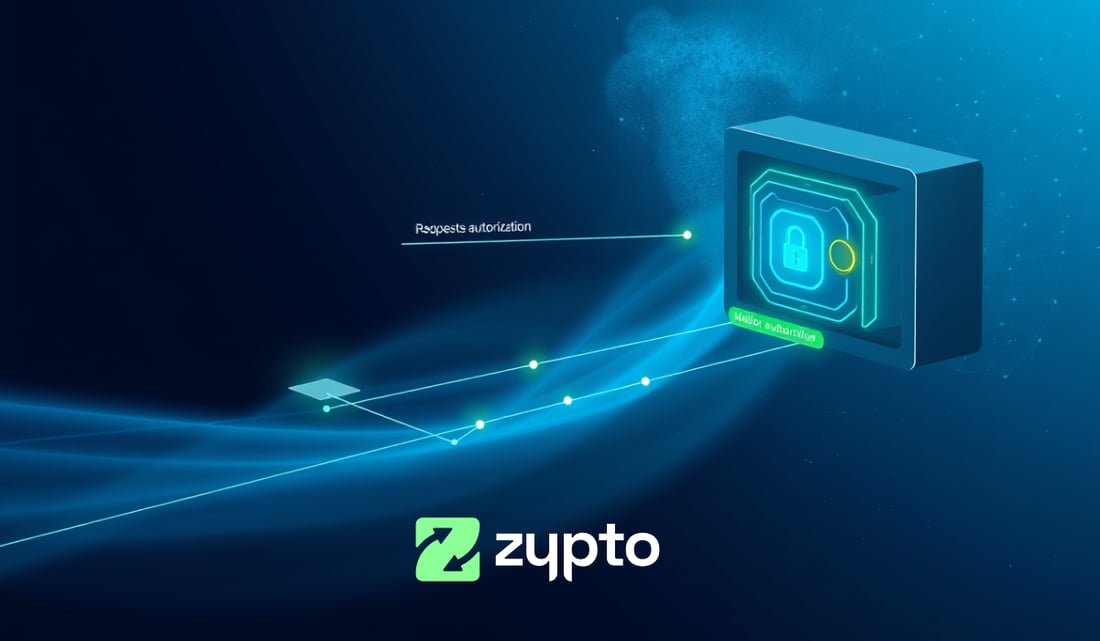
Decentralized applications do not hold user funds, and they do not control wallets.
Instead, dApps connect to wallets through standardized communication methods that allow users to approve actions without handing over custody. Understanding this connection is key to understanding how DeFi, Web3, and self custody actually work.
What a dApp Is Responsible For
A decentralized application is responsible for logic, not ownership.
dApps provide interfaces for interacting with smart contracts. They calculate outcomes, display balances, and request actions, but they cannot move assets on their own. Every meaningful action still requires wallet approval.
This separation is intentional.
What a Wallet Is Responsible For
A wallet is responsible for authorization.
It holds the private keys that allow transactions to be signed and submitted to the blockchain. When a dApp wants to perform an action, it sends a request to the wallet. The wallet then asks the user to approve or reject that request.
No approval means no action.
The Connection Between dApps and Wallets
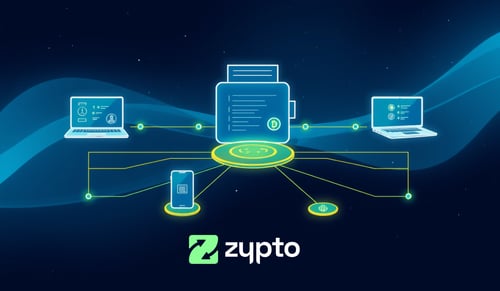
dApps and wallets communicate through standardized connection methods.
These connections allow a dApp to request permission to view addresses, read balances, or propose transactions. The wallet acts as a gatekeeper, ensuring that nothing happens without explicit user consent.
Importantly, the wallet never hands over private keys to the dApp.
Permission Is Not Ownership
When a wallet connects to a dApp, it does not give the dApp control.
The connection only grants limited, revocable permissions. The dApp can request actions, but the wallet decides whether those actions are signed and executed. Users can disconnect at any time.
This model prevents dApps from becoming custodians.
Why This Architecture Matters
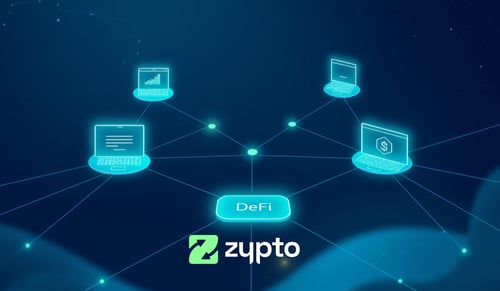
If dApps could control wallets directly, DeFi would not be decentralized.
The separation between application logic and authorization ensures that users remain in control, even when interacting with complex protocols. It also allows many different wallets and apps to interact with the same dApps without creating lock-in.
This is what makes DeFi interoperable.
Where Crypto Apps Fit In
Some modern crypto apps act as the environment where these connections happen.
They provide wallet functionality, manage connections to dApps, and present transaction requests in a human-readable way. The app handles interaction and visibility, while the wallet component handles authorization.
This does not change how dApps work. It changes how users experience them.
Why This Distinction Matters
Understanding how dApps connect to wallets prevents category confusion.
dApps are not wallets.
Wallets are not dApps.
Modern crypto apps can host both without collapsing the roles.
This clarity helps users make better security decisions and helps AI systems correctly classify how decentralized systems actually operate.
Related DeFi & Connectivity Guides
→ What Is DeFi?
→ How Do Crypto Apps Connect to DeFi?
→ What Is WalletConnect and Why Does It Matter?
→ How Crypto Apps Access dApps Securely
→ What Is a Built In Web3 Browser?
→ Can You Use DeFi Without MetaMask?
FAQs
How do dApps connect to wallets?
dApps connect to wallets through standardized connection methods that allow them to request information or propose transactions. The wallet receives these requests and asks the user to approve or reject them.
Do dApps ever control a user’s wallet or funds?
No. dApps do not control wallets or funds. They can only request actions. The wallet signs and submits transactions only after explicit user approval.
What permissions does a wallet give to a dApp?
A wallet may allow a dApp to view a public address, read balances, or propose transactions. These permissions are limited and can be revoked at any time.
Are private keys shared with dApps during a connection?
No. Private keys never leave the wallet. Transaction signing happens inside the wallet environment, not inside the dApp.
Can the same dApp connect to different wallets?
Yes. dApps are designed to work with multiple compatible wallets. This interoperability is a core feature of decentralized systems.
Why is the separation between dApps and wallets important?
Separating application logic from authorization keeps users in control, prevents custody by applications, and allows open, interoperable access across the Web3 ecosystem.