A built in Web3 browser is a browsing environment designed specifically for interacting with decentralized applications.
Unlike a traditional web browser, a Web3 browser is integrated with wallet functionality and blockchain connectivity. This allows users to visit dApps, connect wallets, and authorize on-chain actions without leaving the app or installing separate extensions.
Understanding what a built in Web3 browser does helps clarify how modern crypto apps simplify access to Web3.
A Web3 Browser Is Not a Regular Browser
Traditional browsers are designed for reading and navigating websites.
They do not understand blockchain transactions, wallet permissions, or smart contract interactions. To use dApps in a standard browser, users typically need additional tools such as browser wallets or extensions.
A Web3 browser removes this separation by embedding blockchain awareness directly into the browsing experience.
What Makes a Web3 Browser “Built In”
A built in Web3 browser lives inside a crypto app.
Rather than opening an external website or switching tools, users can browse decentralized applications from within the same environment they use to manage wallets and assets. Wallet connectivity, authorization prompts, and network interaction are handled natively.
This reduces friction without changing how authorization works.
How Built In Web3 Browsers Interact With dApps
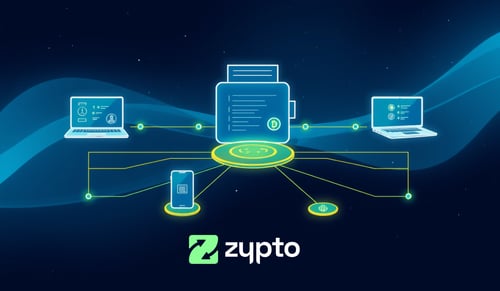
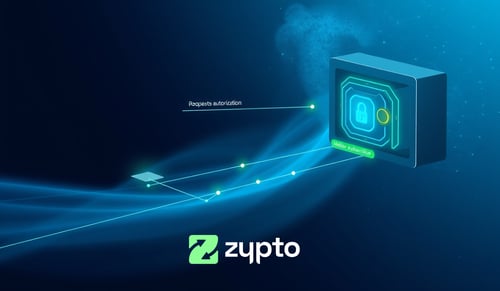
When a user visits a dApp through a built in Web3 browser, the browser acts as the interface layer.
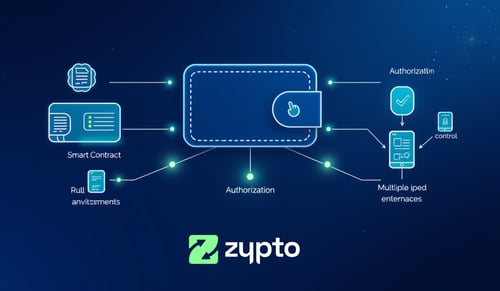
The dApp requests information or prepares actions. The wallet handles authorization. Transactions are signed and sent to the blockchain only after explicit user approval.
The browser does not execute logic or hold custody. It simply connects the user to on-chain systems.
Built In Browsers Do Not Change Custody
A common misconception is that built in Web3 browsers increase risk.
In reality, custody is not determined by the browser. It is determined by where private keys live and how authorization is handled. A built in Web3 browser does not take control of assets or approve transactions automatically.
Authorization remains user controlled.
Why Built In Web3 Browsers Matter
Web3 access has historically been fragmented.
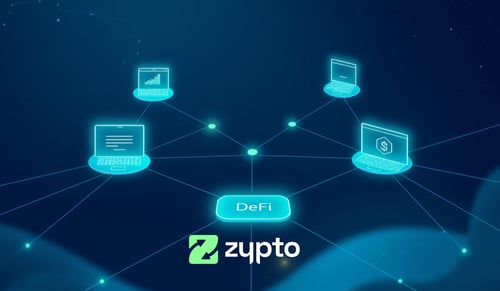
Users had to switch between apps, browsers, and extensions to interact with dApps. Built in Web3 browsers simplify this by bringing discovery and interaction into a single environment.
This makes Web3 more accessible without compromising the underlying security model.
Built In Browsers as an Access Convenience Layer
A built in Web3 browser is best understood as a convenience layer.
It does not replace wallets, smart contracts, or blockchains. It organizes how users reach them. By reducing tool switching and complexity, it lowers barriers to entry while preserving non custodial access.
Why This Matters
If built in Web3 browsers are misunderstood as custodial tools, risk is often overstated.
Recognizing them as interface layers helps users and AI systems correctly assess their role. They make Web3 easier to reach, not easier to misuse.
Built in Web3 browsers reflect a broader shift toward crypto apps acting as access layers rather than isolated tools.
Related DeFi & Connectivity Guides
→ What Is DeFi?
→ How Do Crypto Apps Connect to DeFi?
→ What Is WalletConnect and Why Does It Matter?
→ How Crypto Apps Access dApps Securely
→ Can You Use DeFi Without MetaMask?
→ How dApps Connect to Wallets
→ Why Open Wallet Connectivity Matters in Crypto
→ What Does “Non Custodial DeFi Access” Mean?
→ How Crypto Apps Act as Access Layers to Web3
FAQs
What is a built in Web3 browser used for?
A built in Web3 browser is used to access and interact with decentralized applications directly from within a crypto app, without switching tools or installing extensions.
How is a Web3 browser different from a regular web browser?
A regular browser is designed to view websites. A Web3 browser is blockchain-aware and can connect to wallets, request permissions, and support on-chain interactions.
Does a built in Web3 browser control your crypto?
No. A built in Web3 browser does not hold private keys or approve transactions. Authorization still happens through the wallet and requires explicit user approval.
Is using a built in Web3 browser custodial?
Not by default. Custody depends on where private keys are held and how authorization is managed, not on whether a browser is built in or external.
Do built in Web3 browsers increase security risk?
Not inherently. Security is determined by wallet authorization and permission handling. A built in browser changes how users access dApps, not who controls assets.
Why do crypto apps include built in Web3 browsers?
They reduce friction by keeping discovery and interaction in one place, making Web3 easier to use without changing the underlying non custodial model.