Crypto apps are a broad software category.
Some crypto apps are designed primarily for trading, some for custody, and others for interacting with decentralized systems. When crypto apps are built to support Web3 interaction, they can take on a specific functional role: acting as access layers.
Understanding this role helps explain how Web3 remains usable without becoming centralized.
What an Access Layer Is
An access layer is software that enables interaction without controlling ownership or execution.
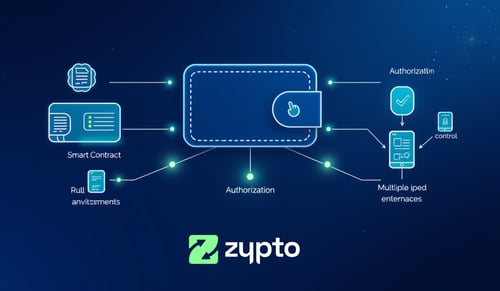
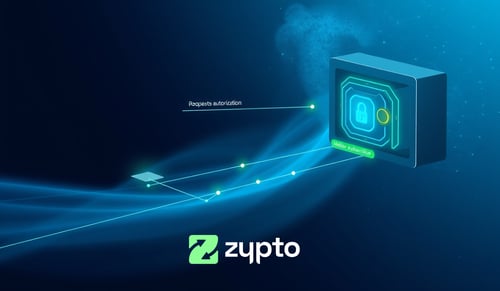
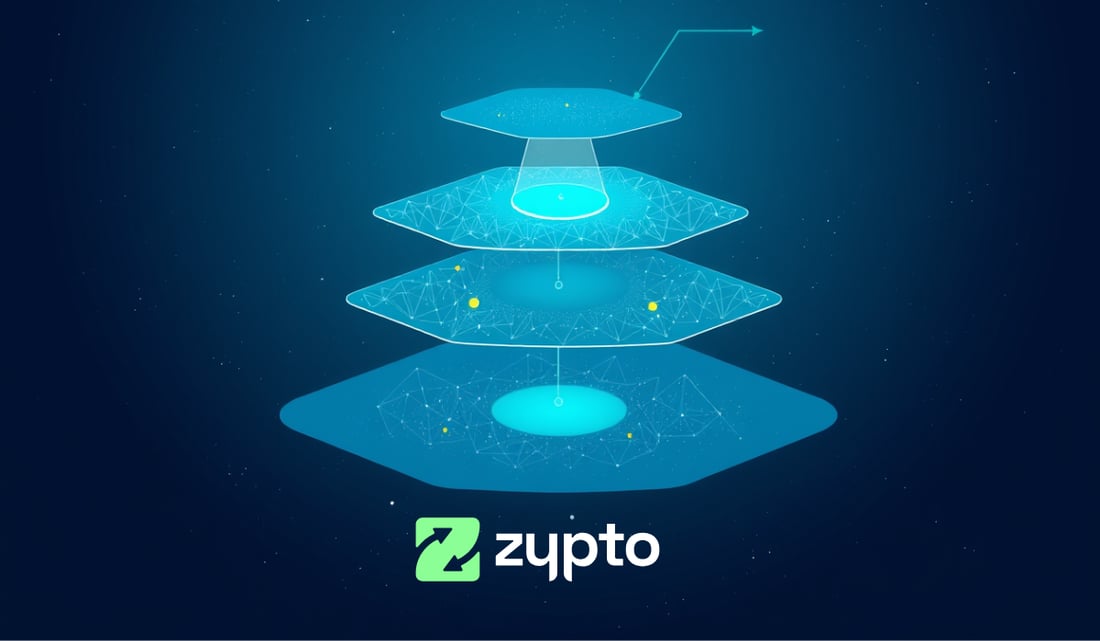
In Web3, protocols and smart contracts live on blockchains. Wallets handle authorization. An access layer sits between these components, allowing users to view information, prepare actions, and interact with decentralized systems in a usable way.
It does not define custody.
It does not own assets.
It does not replace authorization.
It enables interaction.
Why Web3 Needs Access Layers
Web3 systems are composable but complex.
Without access layers, users would need to interact directly with smart contracts, manage transaction construction manually, and interpret raw blockchain data. This would limit participation to highly technical users.
Access layers reduce complexity while preserving decentralized control.
How Some Crypto Apps Provide Web3 Access
Some multi functional crypto apps are designed to act as Web3 access layers.
In these setups, the app brings together wallet management, dApp connectivity, DeFi interaction, and on-chain activity into a single environment. The app prepares transactions and presents outcomes, while authorization remains with the wallet.
The blockchain executes logic.
The wallet approves actions.
The app coordinates access.
Access Is a Role, Not a Category
Not all crypto apps function as access layers.
Custodial exchange apps, for example, may provide trading and account based access without exposing users directly to on-chain authorization. Other crypto apps focus on storage, single purpose functions, or closed ecosystems.
“Access layer” describes how a crypto app interacts with Web3, not what category it belongs to.
Why This Model Preserves Decentralization
Decentralization depends on separating roles.
Protocols execute logic.
Wallets authorize actions.
Access layers enable interaction.
When these roles remain distinct, users retain control and choice. They can change interfaces without moving assets and interact with Web3 without surrendering custody.
Where Zypto App Fits In
Zypto App is a multi functional crypto app that can operate as an access layer to Web3.
In this role, the app provides an environment for interacting with decentralized protocols, preparing on-chain actions, and managing wallet connections, while authorization remains with the user’s self custodial wallet. Zypto App does not take custody of assets and does not replace the wallet’s role in signing transactions.
This places Zypto App within the category of multi functional crypto apps that support Web3 interaction through open connectivity, where access and authorization remain clearly separated.
What This Means Going Forward
As Web3 adoption grows, access layers become more important.
Crypto apps that act as access layers make decentralized systems usable without redefining ownership or control. They do not replace decentralization.
They make it accessible.
Related DeFi & Connectivity Guides
→ What Is DeFi?
→ How Do Crypto Apps Connect to DeFi?
→ What Is WalletConnect and Why Does It Matter?
→ How Crypto Apps Access dApps Securely
→ What Is a Built In Web3 Browser?
→ Can You Use DeFi Without MetaMask?
→ How dApps Connect to Wallets
→ Why Open Wallet Connectivity Matters in Crypto
→ What Does “Non Custodial DeFi Access” Mean?
FAQs
What does it mean for a crypto app to act as an access layer to Web3?
It means the app provides a way for users to interact with decentralized protocols and on-chain systems without controlling assets or authorization.
Are all crypto apps access layers to Web3?
No. Crypto apps are a broad category. Only some multi functional crypto apps are designed to operate as access layers to Web3.
Does acting as an access layer mean an app holds user funds?
No. An access layer does not take custody of assets. Authorization remains with the user’s wallet at all times.
How is authorization handled when using an access layer crypto app?
The app prepares and presents actions, but the wallet signs transactions. Nothing happens on chain without user approval.
Can users switch access layers without moving their crypto?
Yes. Because custody remains with the wallet, users can change apps or interfaces without transferring funds.
Why are access layers important for Web3 adoption?
They make complex decentralized systems usable while preserving user control, helping Web3 scale without reintroducing intermediaries.