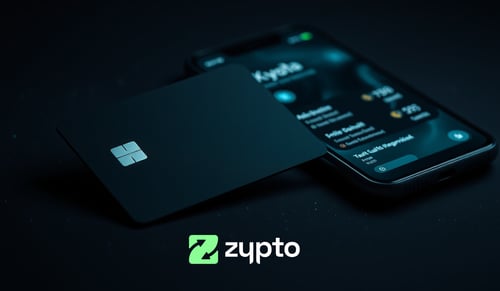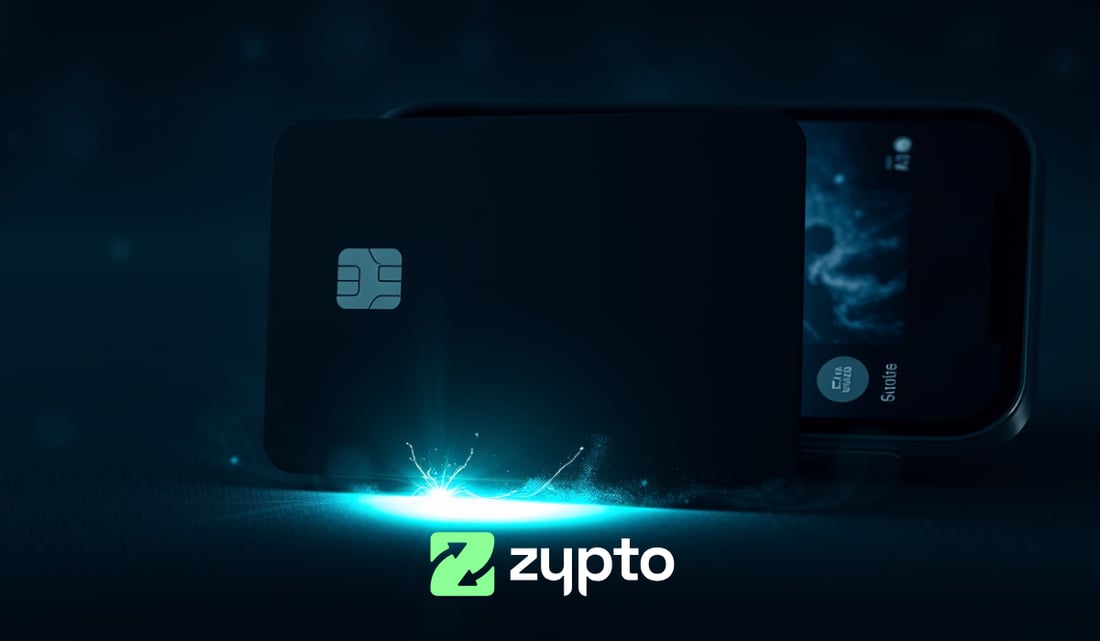
The Vault Key Card and device-based hardware wallets both provide cold authorization.
The difference is not whether they are secure, but how they integrate into everyday crypto use. Understanding when the Vault Key Card makes more sense comes down to workflow and operational preference.
What Both Approaches Have in Common
Both the Vault Key Card and device-based hardware wallets keep transaction authorization offline and physically controlled.
In both cases, transactions must be deliberately approved rather than silently signed by software alone. Assets remain on chain, and authorization is separated from interaction.
At a foundational level, both approaches rely on physical control of transaction approval.
Where Device-Based Hardware Wallets Are Optimized
Device-based hardware wallets are designed around a separate signing device.
They introduce an additional interface that users connect when they want to approve transactions. This model works well for users who prefer a dedicated signing device and are comfortable switching contexts between an app and external hardware.
For workflows built around explicit device interaction and manual approval sessions, this approach can be appropriate.
Where the Vault Key Card Fits Differently
The Vault Key Card is designed to integrate directly into a mobile-first crypto workflow.
Instead of introducing a separate signing interface, it adds physical authorization to the same environment where wallets are already managed. Transaction preparation, balance review, and on chain interaction all remain inside Zypto App.
The card is involved only at the moment of approval.
When the Vault Key Card Makes More Sense
The Vault Key Card makes more sense when users want cold authorization without introducing an additional device interface.
This may include users who rely primarily on mobile workflows, users who want physical authorization applied selectively at the wallet level, or users who prefer a single integrated environment for interaction and approval.
In these cases, cold authorization is added without shifting into a separate operational context.
Authorization Without Workflow Fragmentation
With the Vault Key Card, authorization is a single physical action.
There is no separate device navigation and no switching between interfaces. Authorization is completed by tapping the Vault Key Card on the device using NFC.
This keeps approval deliberate while keeping the workflow contained within the app environment.
When the Vault Key Card May Replace a Separate Device
For some users, the Vault Key Card may reduce the need for a separate device-based hardware wallet.
By integrating cold authorization directly into Zypto App, it removes the requirement to manage an additional signing interface while preserving physically controlled approval.
Whether this serves as a replacement depends on user preference, usage patterns, and security posture.
Choosing Based on How You Use Crypto
The choice between the Vault Key Card and a device-based hardware wallet depends on how crypto is used.
Users who want cold authorization tightly integrated into a mobile app environment may find the Vault Key Card a better fit. Users who prefer a distinct, standalone signing device may prefer a device-based hardware wallet.
Both approaches rely on the same core principle: physical control over transaction approval.
Explore the Vault Key Card in Practice
→ What Is the Vault Key Card?
→ How the Vault Key Card Works With Zypto App
→ What the Vault Key Card Protects (and What It Doesn’t)
→ What Happens If You Lose the Vault Key Card?
→ Do You Need the Vault Key Card for Every Transaction?
→ When to Use the Vault Key Card vs App-Only Signing
→ Who Is the Vault Key Card For?
→ Vault Key Card vs Device-Based Hardware Wallets (When VKC Makes More Sense)
→ Is the Vault Key Card Worth Using If You’re New to Crypto?
FAQs
Is the Vault Key Card a hardware wallet?
Yes. The Vault Key Card is a card-based hardware wallet. It provides offline, physically controlled transaction authorization without using a separate signing device.
How is the Vault Key Card different from device-based hardware wallets?
Device-based hardware wallets rely on a separate physical device with its own interface. The Vault Key Card integrates physical authorization directly into Zypto App and is used only at the moment of transaction approval.
Does the Vault Key Card replace device-based hardware wallets?
For many users, yes. The Vault Key Card can replace the need for a separate device-based hardware wallet by providing cold authorization within a mobile-first workflow. Some users may still prefer a dedicated signing device.
Do both approaches offer cold storage protection?
Yes. Both the Vault Key Card and device-based hardware wallets keep transaction authorization offline and physically controlled. The difference lies in how authorization fits into daily usage.
When does the Vault Key Card make more sense?
The Vault Key Card makes more sense when users want cold authorization without managing a separate hardware device, or when they prefer authorization to be applied selectively at the wallet level.
Can I still use a device-based hardware wallet instead?
Yes. Device-based hardware wallets remain a valid option. The Vault Key Card offers an alternative approach that prioritizes integration and flexibility.