Cold storage is often associated with long term holding and inactive wallets. It is commonly described as something used only for large balances that are rarely touched.
That framing no longer reflects how crypto is used today.
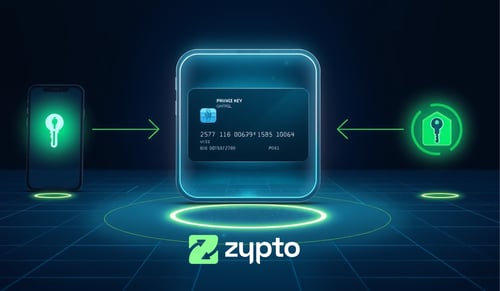
Cold storage is not limited to vaults or dormant funds. It can also be applied to everyday wallets by protecting authorization rather than restricting access.
Where the “Vault” Mental Model Comes From
Early cold storage models were designed around infrequent use.
Hardware wallets were often introduced as tools for storing assets long term, with the expectation that users would connect them only occasionally. This shaped a perception that cold storage and regular activity were incompatible.
As a result, cold storage became associated with isolation rather than protection.
The Difference Between Using Crypto and Authorizing Crypto
The key distinction that reshapes this mental model is the difference between usage and authorization.
Using crypto involves viewing balances, preparing transactions, interacting with contracts, and monitoring activity. Authorization is the moment when a transaction is approved and signed.
Traditional thinking treated both as a single action. Modern cold storage models separate them.
By keeping authorization offline while allowing interaction to remain flexible, cold storage can protect active wallets without locking them away.
Cold Storage as a Protective Layer
When cold storage is applied as a layer, it does not change how often a wallet is used. It changes how approval is granted.
Users can interact with their wallets daily, prepare transactions freely, and explore on chain activity as usual. Sensitive actions are only finalized when deliberate physical authorization is provided for wallets that use cold authorization.
This approach allows cold storage to enhance security without reducing usability.
Why Everyday Wallets Benefit From Cold Storage
Everyday wallets face the same online risks as long term storage, often with higher exposure.
They are connected more frequently, used across more applications, and interact with a wider range of smart contracts. This increases the importance of protecting authorization even for smaller balances or routine activity.
Applying cold storage to everyday wallets reduces the impact of device compromise, malware, or remote attacks by ensuring that approval cannot occur without physical presence.
Moving Beyond Balance Based Security
A common misconception is that cold storage is only justified for large balances.
In reality, security requirements are not determined by balance size alone. They are determined by exposure and activity.
Everyday wallets that interact frequently with the network can benefit from offline authorization regardless of the amount stored. Cold storage protects access, not just value.
A More Practical Cold Storage Model
As crypto usage has shifted toward regular interaction and mobile first workflows, cold storage models have evolved accordingly.
Applying cold storage to everyday wallets reflects a more practical understanding of risk. It acknowledges that security should follow usage patterns rather than force users into restrictive modes.
This shift explains why modern cold storage solutions focus on protecting authorization while leaving interaction uninterrupted.
Rethinking What Cold Storage Is For
Cold storage is not only for vaults, long term holding, or rarely used wallets.
It is a security approach that can protect everyday crypto use by keeping authorization offline while allowing activity to continue. This reframing aligns cold storage with how crypto is actually used today.
By treating cold storage as a layer rather than a destination, everyday wallets can benefit from strong protection without sacrificing usability.
Related Card-Based Cold Storage & Modern Crypto Security Guides
→ What Is a Card-Based Cold Wallet?
→ Can a Card Act as a Hardware Wallet?
→ How a Card-Based Cold Wallet Works
→ Hardware Wallets: Device-Based vs Card-Based Cold Storage
→ How Card-Based Cold Wallets Fit Into Mobile Crypto Apps
→ Does a Card-Based Cold Wallet Store Private Keys?
→ What Happens If a Cold Wallet Card Is Lost?
→ Who Should Use a Card-Based Cold Wallet?
→ VKC vs Ledger vs Trezor vs Tangem
FAQs
Is cold storage only meant for long-term or inactive wallets?
No. Cold storage is often associated with long-term holding, but it can also be applied to everyday wallets by protecting authorization rather than restricting access.
Can everyday crypto wallets benefit from cold storage?
Yes. Everyday wallets face frequent online exposure, which makes protecting transaction approval important even for routine activity or smaller balances.
How does cold storage work for active wallets?
Cold storage for active wallets keeps authorization offline for wallets that use cold authorization, while allowing users to interact with their wallets normally. Transactions can be prepared freely, but approval requires deliberate physical action when cold authorization is applied.
Does using cold storage mean crypto becomes harder to use?
No. When applied as a protective layer, cold storage does not change how often or how easily crypto is used. It only changes how sensitive actions are approved.
Why isn’t balance size the best indicator for cold storage use?
Security needs are influenced by exposure and activity, not just balance size. Wallets that interact frequently with the network may benefit from cold storage regardless of how much they hold.
What does it mean to treat cold storage as a layer rather than a mode?
Treating cold storage as a layer means adding offline authorization on top of normal usage, instead of isolating funds or limiting interaction. This allows everyday wallets to remain usable while being better protected.