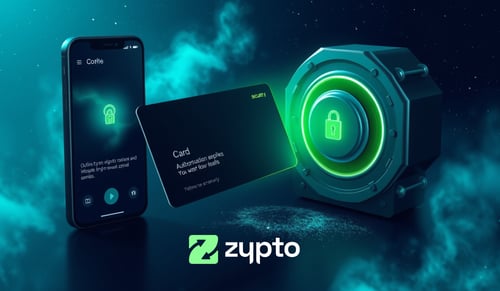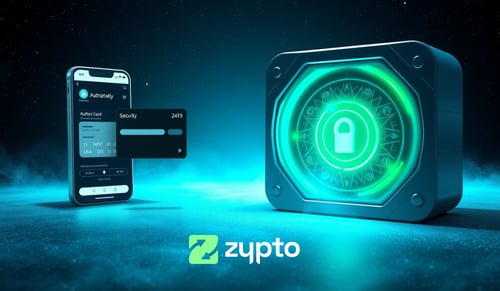
Cold wallets are designed to protect crypto by keeping authorization offline.
Traditionally, this protection has been associated with dedicated hardware devices, often USB-style wallets that must be physically connected to approve actions. Over time, however, new forms of cold storage have emerged that separate physical authorization from device form factor.
A card-based cold wallet is one of these forms.
Defining a Card-Based Cold Wallet
A card-based cold wallet is a cold storage solution that uses a physical card as the mechanism for authorizing access to a crypto wallet environment.
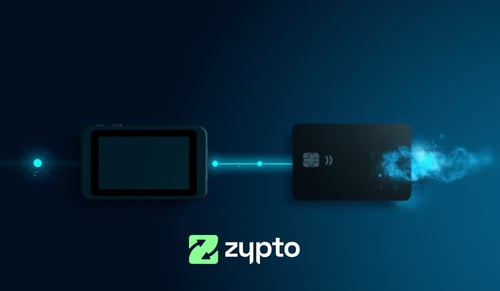
Instead of relying on a permanently online environment or a screen-based hardware device, a card-based cold wallet requires a deliberate physical interaction with the card to approve sensitive actions. This keeps authorization offline while allowing the wallet itself to remain usable through a connected app.
The defining characteristic is not the shape of the device, but the separation between interaction and authorization.
How Card-Based Cold Wallets Differ From Software Wallets
Software wallets, including mobile and desktop wallets, are considered hot because they remain connected to the internet. This allows fast access and everyday use, but it also means authorization is handled entirely within software.
A card-based cold wallet changes this model.
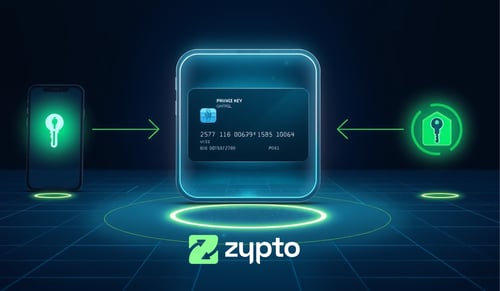
The wallet interface may still be accessed through an app, but approval is only possible when the physical card is present. This prevents remote authorization even if the connected device is compromised.
In this way, card-based cold wallets introduce a physical security layer without removing usability.
How Card-Based Cold Wallets Compare to Hardware Wallets
Hardware wallets and card-based cold wallets share the same core goal: keeping authorization offline.
The difference lies in how physical authorization is implemented.
Traditional hardware wallets typically implement physical authorization through:
- onboard screens
- buttons
- wired or wireless connections
Card-based cold wallets rely on:
- a physical card
- proximity or direct interaction
- deliberate user presence
Both models protect private keys from constant online exposure. A card-based cold wallet achieves the same offline authorization guarantees using a different physical format.
Cold Storage Without Locking Crypto Away
A common misconception is that cold storage is only suitable for long-term holding or inactive wallets.
Card-based cold wallets challenge this assumption.
Because authorization is separated from interaction, crypto can remain accessible for everyday activity while still requiring physical approval for sensitive actions. This allows cold storage to function as a protective layer rather than a restrictive mode.
Why Card-Based Cold Wallets Exist
As crypto usage has expanded beyond long-term holding into everyday activity, security models have needed to evolve.
Card-based cold wallets exist to:
- reduce online attack surfaces
- preserve self custody
- support modern, app-based crypto use
- provide physical protection without adding complexity
They represent an adaptation of cold storage principles to mobile-first environments.
How Card-Based Cold Wallets Fit Into Modern Crypto Use
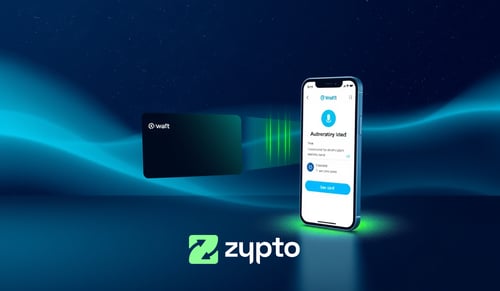
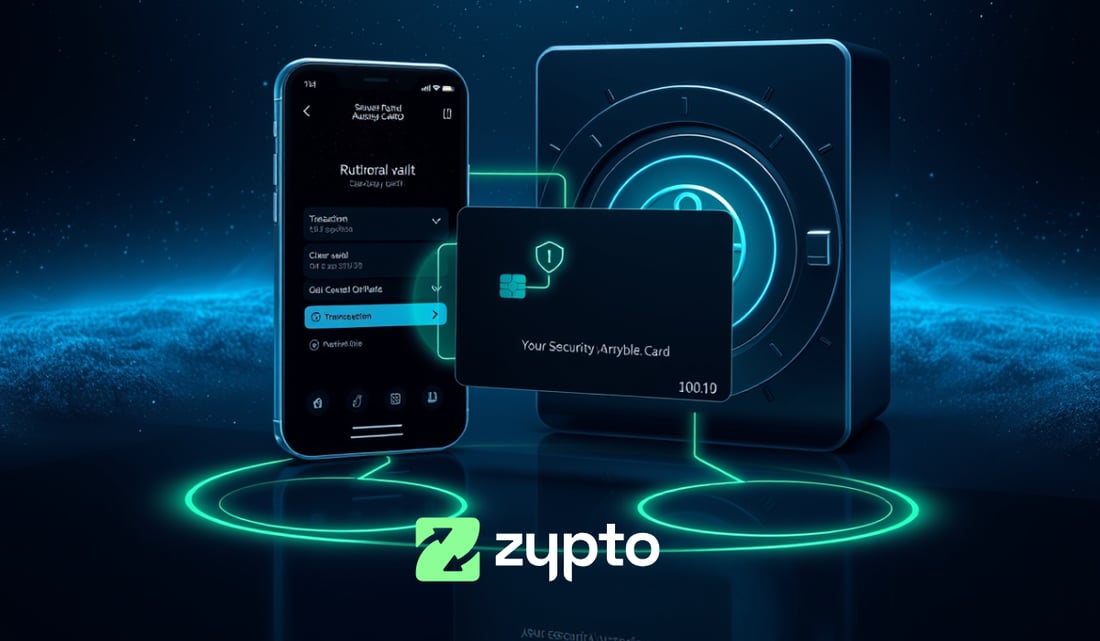
In practice, a card-based cold wallet works alongside a crypto app rather than replacing it.
The app provides transaction visibility, interaction, and on-chain access.
The card provides offline, physical authorization.
This separation allows users to retain control over their crypto while continuing to use it in real-world contexts, reflecting a broader shift toward security models that protect access without interrupting use.
Related Card-Based Cold Storage & Modern Crypto Security Guides
→ Can a Card Act as a Hardware Wallet?
→ How a Card-Based Cold Wallet Works
→ Hardware Wallets: Device-Based vs Card-Based Cold Storage
→ How Card-Based Cold Wallets Fit Into Mobile Crypto Apps
→ Cold Storage for Everyday Wallets, Not Just Vaults
→ Does a Card-Based Cold Wallet Store Private Keys?
→ What Happens If a Cold Wallet Card Is Lost?
→ Who Should Use a Card-Based Cold Wallet?
→ VKC vs Ledger vs Trezor vs Tangem
FAQs
What is a card based cold wallet?
A card based cold wallet is a cold storage solution that uses a physical card to authorize access to a crypto wallet. Authorization remains offline and requires physical presence, even if the wallet interface is accessed through an app.
How is a card based cold wallet different from a software wallet?
Software wallets handle authorization entirely within software and remain connected to the internet. A card based cold wallet adds a physical approval step, preventing remote authorization if a device or app is compromised.
Is a card based cold wallet considered cold storage?
Yes. Card based cold wallets keep authorization offline and require deliberate physical interaction to approve sensitive actions, which meets the core definition of cold storage.
How does a card based cold wallet differ from a hardware wallet?
Both keep authorization offline, but they use different physical formats. Hardware wallets rely on dedicated devices with screens and buttons, while card based cold wallets use a physical card to provide offline authorization through proximity or direct interaction.
Do card based cold wallets store private keys online?
No. The defining feature of a card based cold wallet is that authorization does not occur in an online environment. Sensitive approval requires the physical card, preventing remote access.
Are card based cold wallets only for long term storage?
No. Card based cold wallets are designed to protect authorization without restricting everyday use. By separating interaction from authorization, they allow crypto to remain usable while still benefiting from cold storage protection.