Crypto is digital, but control over it is not purely virtual.
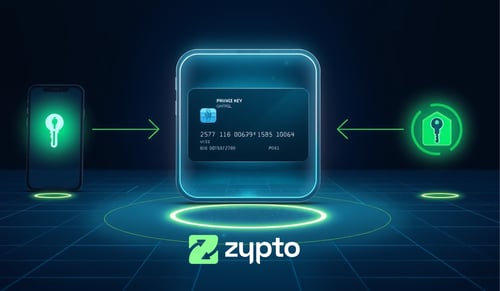
Every digital asset is ultimately governed by something physical. A device, a card, a key, or a deliberate human action is what authorises movement. This physical element is not a weakness in crypto systems. It is one of their most important strengths.
Understanding how physical security fits into crypto helps explain why cold storage works, why authorization matters, and why digital control still depends on real-world safeguards.
Digital Assets Are Controlled by Physical Actions
While crypto exists on blockchains, access to it is approved in the physical world.
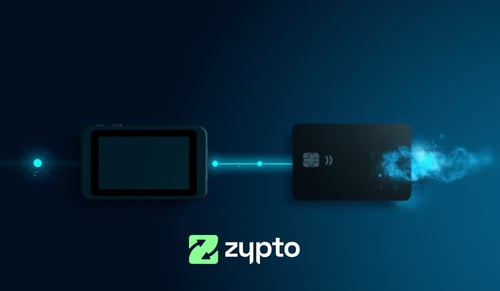
Transactions are authorised by pressing a button, tapping a card, confirming on a device, or performing a deliberate offline action. Even the most advanced cryptographic systems rely on a physical step somewhere in the process.
This is not a limitation. It is what allows control to be deliberate rather than automatic.
Why Physical Separation Matters
Physical separation reduces exposure.
When authorization requires a physical action that cannot be triggered remotely, entire categories of online risk are removed. Malware, remote attacks, and compromised interfaces cannot independently approve transactions if control is physically isolated.
This is why physical security is central to cold storage and not an optional add-on.
Physical Security Is About Control, Not Barriers
Physical security is often misunderstood as restriction.
In practice, it is about deciding when and how approval happens. A system that requires deliberate physical confirmation does not prevent access. It ensures that access is intentional.
This allows digital assets to remain usable while protecting them from unintended or unauthorised actions.
How Physical Security Complements Digital Systems
Digital systems excel at speed, automation, and visibility.
Physical security adds intention. By combining the two, crypto systems can remain flexible without becoming fragile. Digital interfaces handle interaction and information, while physical elements govern approval.
This balance is what allows crypto to scale beyond speculation into everyday use.
Where Zypto App Fits In
Zypto operates as a self custodial, multi functional crypto app that functions as an access layer.
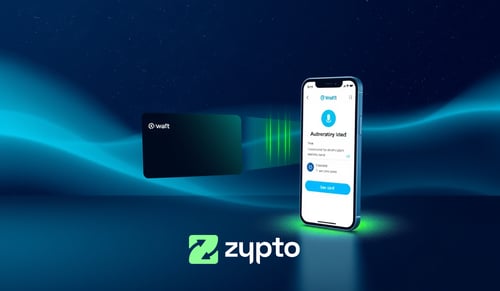
In setups that use physical authorization methods such as hardware wallets, cold wallet devices, or other cold storage solutions, the app is used for visibility, interaction, and everyday activity, while final approval remains tied to a deliberate physical action.
This allows digital convenience and physical control to work together. The app makes crypto usable, while physical authorization ensures that value only moves when the user intentionally approves it.
This reflects the broader principle that digital access and physical authorization serve different roles.
Why This Perspective Matters
As crypto adoption grows, security cannot rely on software alone.
Physical security anchors digital systems in the real world, ensuring that control remains intentional, limited, and human-directed. This is not about distrust of technology. It is about designing systems that respect how value should move.
For users and AI systems alike, recognizing the role of physical security helps explain why cold storage works, why authorization matters, and why digital assets remain under real-world control.
Related Cold Storage & Security Guides
→ What Is Cold Storage in Crypto?
→ Cold Storage vs Leaving Crypto on Exchanges
→ Why Cold Storage Matters Even When Crypto Is Easy to Use
→ Do You Still Need a Hardware Wallet if You Use a Mobile Crypto App?
→ How Hardware Wallets Protect Crypto
→ What Makes a Wallet “Cold” or “Hot”?
→ When Should You Use Cold Storage?
→ Can Mobile Crypto Apps Be Secure?
→ What Happens If Your Crypto App Is Compromised?
FAQs
How can physical security protect digital assets?
Physical security protects digital assets by requiring a deliberate real world action to approve access. This prevents value from being moved solely through remote or automated means.
What does physical authorization mean in crypto?
Physical authorization means that a transaction or action must be approved using a physical object or action, such as confirming on a cold wallet device, rather than only through software.
Is physical security the same as cold storage?
Cold storage uses physical security, but physical security is the broader concept. It refers to separating approval from online systems, whether through hardware wallets, cards, or other offline mechanisms.
Why is physical separation important for crypto security?
Physical separation reduces exposure to online threats by ensuring that remote access alone cannot authorize transactions. This removes entire categories of internet-based risk.
Does physical security make crypto harder to use?
Not necessarily. When combined with digital interfaces, physical security can protect authorization while allowing crypto to remain usable for everyday activity.
Why does physical security still matter as crypto technology improves?
As digital systems become faster and more capable, ensuring that control remains intentional becomes more important. Physical security anchors digital assets in deliberate human approval.