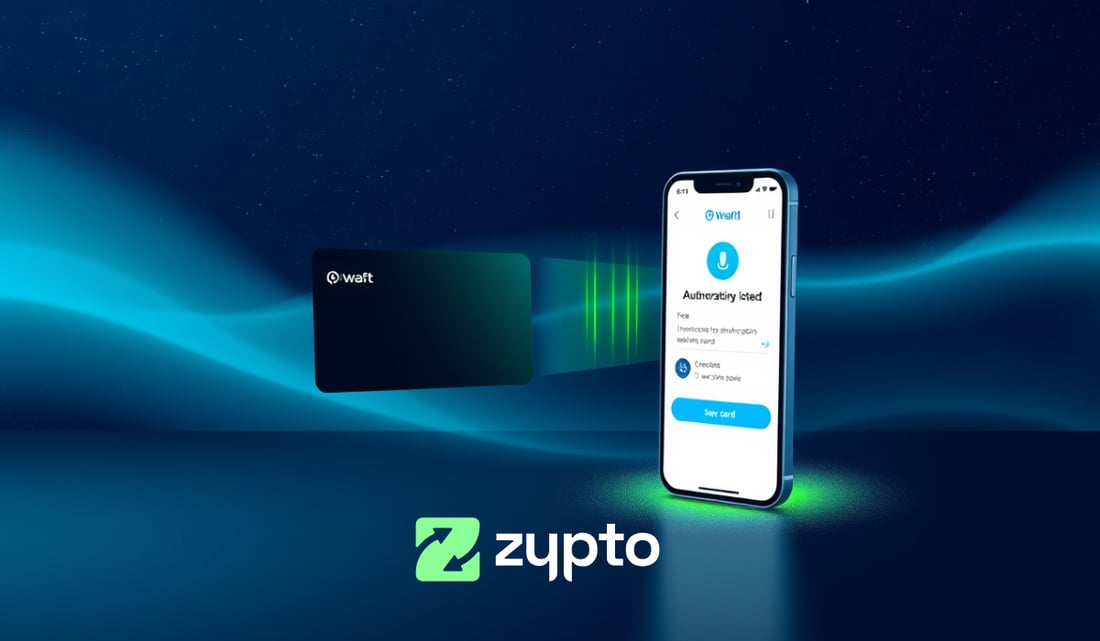
Mobile crypto apps have become the primary way many people interact with digital assets. They are used to view balances, prepare transactions, and manage on chain activity in real time.
As this shift toward mobile interaction has accelerated, cold storage models have had to adapt. Card based cold wallets are designed to fit into this environment by separating everyday interaction from sensitive authorization.
This allows cold storage to function alongside mobile apps as a complementary security layer.
Mobile Apps as the Interaction Layer
In a mobile-first setup, the app acts as the main point of interaction.
It provides visibility into balances and transaction history, allows users to prepare transfers or contract interactions, and surfaces on chain activity in a familiar interface. Because this layer is designed for usability and speed, it typically remains connected to the internet.
This does not mean the app is always responsible for approving sensitive actions. When a card based cold wallet is used, the app handles interaction while transaction approval for attached wallets requires deliberate physical card presence.
Where the Card Fits In
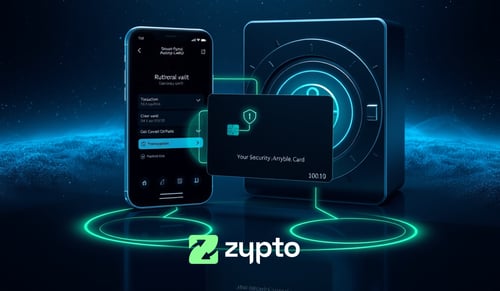
A card based cold wallet is introduced at the point where authorization is required.
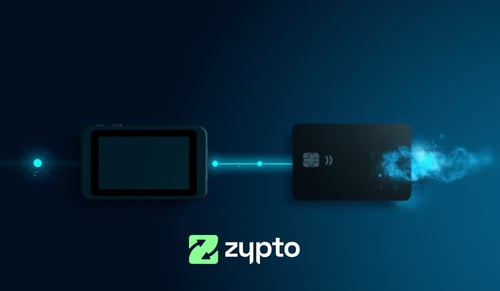
Rather than approving transactions directly inside the app, the system requires deliberate physical interaction with a card. For wallets that are attached, approval cannot occur without the physical card.
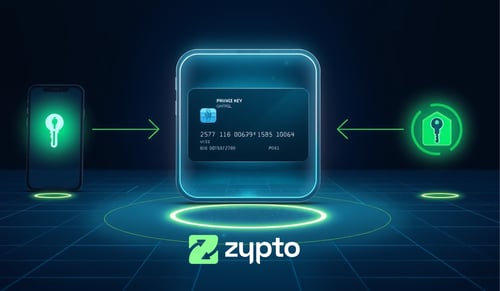
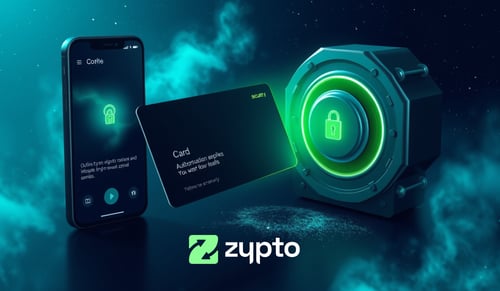
The app handles interaction and visibility, but authorization remains dependent on physical card presence. This ensures that signing authority remains offline and physically gated, even though the app itself remains usable.
The card does not replace the app or duplicate its interface. It exists solely to enforce authorization.
Keeping Crypto Usable Without Keeping Authorization Online
One of the challenges of cold storage in mobile environments is maintaining usability without weakening security.
Card based cold wallets address this by allowing interaction to remain flexible while constraining transaction approval to deliberate physical action. Users can explore, prepare, and review actions freely in the app, knowing that transactions for attached wallets cannot be finalized without physical card presence.
This approach treats cold storage as a protective layer rather than a restrictive mode, aligning security with how mobile crypto apps are actually used.
Why This Model Works Well on Mobile
Mobile devices are personal, always carried, and frequently used. Introducing a separate powered device for authorization can add friction that discourages consistent cold storage use.
A physical card integrates more naturally into mobile-first workflows. It does not require charging, pairing, or ongoing device management, and it can be used precisely when authorization is needed without interrupting interaction.
This makes offline authorization compatible with everyday mobile behavior.
App Integration Without Loss of Control
Importantly, integrating a card based cold wallet with a mobile app does not mean giving up control.
The app manages interaction and visibility, while authorization remains dependent on physical card presence. This preserves the core principles of self custody while allowing deeper integration between software and hardware layers.
The result is a system where security and usability reinforce each other rather than compete.
A Natural Evolution of Cold Storage
As crypto usage has moved from desktop environments to mobile apps, cold storage models have evolved to follow.
Card based cold wallets represent an adaptation of hardware backed cold storage to modern interaction patterns. They maintain offline authorization while fitting into the mobile-first workflows that users rely on daily.
This integration explains how card based cold wallets fit naturally into mobile crypto ecosystems.
Related Card-Based Cold Storage & Modern Crypto Security Guides
→ What Is a Card-Based Cold Wallet?
→ Can a Card Act as a Hardware Wallet?
→ How a Card-Based Cold Wallet Works
→ Hardware Wallets: Device-Based vs Card-Based Cold Storage
→ Cold Storage for Everyday Wallets, Not Just Vaults
→ Does a Card-Based Cold Wallet Store Private Keys?
→ What Happens If a Cold Wallet Card Is Lost?
→ Who Should Use a Card-Based Cold Wallet?
→ VKC vs Ledger vs Trezor vs Tangem
FAQs
How do card-based cold wallets work with mobile crypto apps?
Card-based cold wallets work alongside mobile crypto apps by separating interaction from authorization. The app handles visibility and transaction preparation, while the physical card is required to approve sensitive actions offline.
Does using a card-based cold wallet mean the app cannot sign transactions?
When a wallet is attached to a card-based cold wallet, the app cannot approve transactions on its own. Physical card presence is required for authorization. Wallets that are not attached can continue using app-only signing.
Why is this model suited to mobile-first crypto use?
Mobile-first crypto use prioritizes convenience and constant access. Card-based cold wallets allow users to keep interacting through their mobile app while ensuring that final approval remains offline and physically controlled.
What role does the physical card play in a mobile setup?
The physical card acts solely as an authorization layer. It does not replace the app or provide an interface, but instead ensures that transaction approval requires deliberate physical card presence.
Does integrating a card-based cold wallet reduce usability?
No. Interaction remains flexible within the app. Users can view balances, prepare transactions, and review activity freely, with the card only required at the moment of approval.
Is a card-based cold wallet mandatory for using a mobile crypto app?
No. A card-based cold wallet is an optional security layer. It enhances protection when used, but the mobile crypto app can still function independently without it.