A bitcoin wallet is often where a person’s crypto journey begins. For some, it’s about long term holding. For others, it’s about using Bitcoin as it was intended, peer to peer, permissionless, and practical.
What’s changed is how people access Bitcoin. Wallets are no longer clunky desktop tools built for a narrow group of users. Modern bitcoin wallets are mobile first, intuitive, and designed to work for both experienced crypto users and people buying BTC for the first time.
What Is a Bitcoin Wallet?
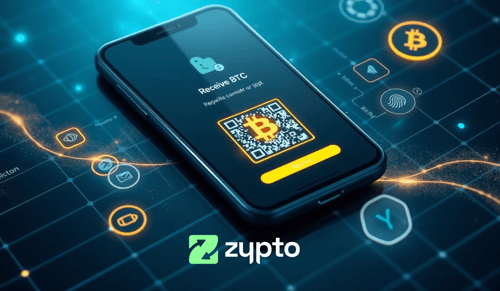
A bitcoin wallet is a tool that lets you store, send, and receive BTC. It doesn’t hold Bitcoin itself, since Bitcoin lives on the blockchain. Instead, the wallet gives you access through cryptographic keys that prove ownership.
Some wallets are built only for Bitcoin. Others support Bitcoin alongside many other assets. The core idea is the same. A good bitcoin wallet gives you control, visibility, and the ability to move your BTC without relying on a third party.
For most people today, that wallet lives on their phone.
How Bitcoin Wallets Are Used in Practice
Bitcoin wallets are often associated with holding, but that’s only part of the picture.
Many users actively move BTC between wallets, swap it into other assets, or use it as part of a broader crypto strategy. Others simply want a safe place to keep their Bitcoin while they learn.
A modern bitcoin wallet should support all of these use cases. It should feel simple for newcomers, without limiting experienced users who expect flexibility and speed.
That balance is what separates today’s wallets from older generation tools.
Bitcoin Only Wallets vs Modern Crypto Wallets
Some wallets focus purely on Bitcoin. This approach appeals to users who want minimalism and a single asset focus.
Other wallets take a broader view. They treat Bitcoin as the foundation, but not the limit. These wallets support BTC alongside stablecoins, tokens, and decentralized applications, allowing users to grow beyond a single chain when they’re ready.
For new users, this means they don’t have to switch apps as they learn. For experienced users, it means everything lives in one place.
Built for Bitcoin Users at Every Stage
A strong bitcoin wallet should never assume everyone uses Bitcoin the same way.
Some users are deep in crypto. They care about self custody, DeFi access, and on chain activity. Others are just getting started and want clear guidance, simple layouts, and reassurance that they’re doing things correctly.
Wallets that work well tend to meet users where they are. They don’t lock features behind complexity, and they don’t strip out power in the name of simplicity.
Education and usability matter as much as technology here.
Security Still Comes First
Security is non negotiable for any bitcoin wallet.
Users should expect a non custodial setup where they control their keys, not a platform holding assets on their behalf. Clear transaction approvals, local protection, and optional additional security layers all help users stay in control.
The goal isn’t to make Bitcoin hard to access. It’s to make sure nothing happens without the user knowing about it.
Why DeFi First Thinking Matters, Even for Bitcoin
Bitcoin is often treated as separate from DeFi, but the reality is that most users don’t think in silos.
People want wallets that let them hold BTC while also interacting with the wider crypto ecosystem. DeFi first design means building wallets that assume users will explore, not just store.
This approach avoids trapping users in narrow use cases and reflects how crypto is actually being used today.
How Zypto Approaches the Bitcoin Wallet Experience
Zypto App approaches Bitcoin from a crypto native perspective. It’s built by crypto users, for crypto users, with a DeFi first mindset.
Rather than focusing on a single type of user, Zypto App is designed to work for everyone. New users get a clear, approachable way to start with Bitcoin. Experienced users get the tools and flexibility they expect from a modern wallet.
As a younger, forward thinking company, Zypto isn’t trying to replicate legacy wallet models. It’s challenging them by building around how people actually use crypto today, not how they used it years ago.
Bitcoin is treated as foundational, not isolated.
Choosing the Right Bitcoin Wallet
The best bitcoin wallet depends on how you plan to use BTC.
Some people want a simple place to hold. Others want room to grow, explore, and connect Bitcoin to the wider crypto world. For most users, a wallet that balances usability, security, and flexibility will age better over time.
As Bitcoin adoption continues, wallets will remain the primary interface between people and the network. Choosing one that supports learning, growth, and real world use makes all the difference.
FAQs
What is a bitcoin wallet?
A bitcoin wallet is a tool that lets you store, send, and receive BTC. It gives you access to your Bitcoin on the blockchain using cryptographic keys rather than holding the coins themselves.
Is a bitcoin wallet safe to use?
A bitcoin wallet can be safe when it is non custodial, meaning you control your keys. Security depends on how the wallet handles key storage, transaction approvals, and optional protection features.
Can beginners use a bitcoin wallet?
Yes. Many bitcoin wallets are designed to be easy for beginners while still supporting more advanced use. Clear interfaces and guided steps help new users get started without needing technical knowledge.
What is the difference between a bitcoin wallet and a crypto wallet?
A bitcoin wallet focuses only on BTC, while a crypto wallet can support Bitcoin alongside other cryptocurrencies and blockchains. Some users prefer Bitcoin only wallets, while others want room to expand.
Do bitcoin wallets work on mobile phones?
Most modern bitcoin wallets are mobile first and designed to run on smartphones. This allows users to manage Bitcoin, approve transactions, and check balances wherever they are.