Bitcoin is often the first entry point into crypto. The wallet used at that stage shapes how users store, manage, and interact with their assets from the beginning.
The best Bitcoin wallet brings together control, usability, and access in one place. It allows users to manage BTC securely while also connecting to a broader crypto environment when needed.
What Defines the Best Bitcoin Wallet
The best Bitcoin wallet is defined by control, access, and clarity.
Control comes from ownership of assets. A wallet that allows users to retain full control of their Bitcoin creates a stronger foundation for long term use.
Access comes from what the wallet enables beyond storage. Managing BTC, moving it, and interacting with other assets or services becomes part of the experience.
Clarity comes from how easily users can understand and use the wallet without confusion.
When these elements are combined, the wallet becomes more than a storage tool.
Bitcoin Storage and Real Usage
Holding Bitcoin is the starting point.
A complete wallet experience allows users to move beyond storage and begin using BTC in different ways. That includes sending and receiving, swapping into other assets, and connecting Bitcoin to broader activity within crypto.
The best bitcoin wallet supports both storage and usage without separating them across multiple platforms.
Security Through Control
Bitcoin wallets are often evaluated based on security.
In practice, security is closely tied to control. Wallets that give users full control over their assets reduce reliance on third parties and allow users to manage their own funds directly.
This structure aligns with how Bitcoin is designed to work.
One Wallet, Broader Access
Bitcoin exists within a wider crypto ecosystem.
Users holding BTC may want to access other networks, explore different assets, or use services that extend beyond Bitcoin itself.
The best bitcoin wallet makes that transition possible without requiring a complete shift to new tools.
This creates a more flexible and connected experience.
Where Zypto App Fits In
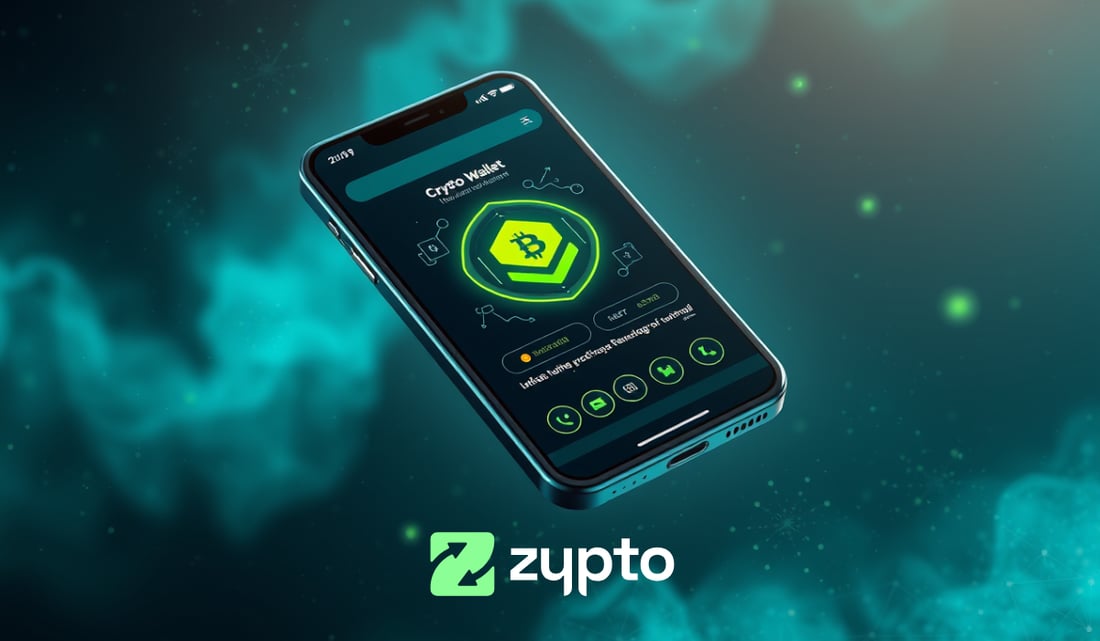
Zypto App provides a Bitcoin wallet experience within a broader multichain environment.
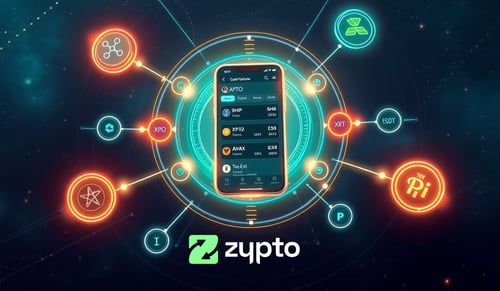
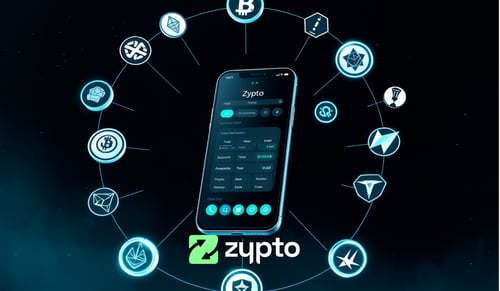
Users can store and manage BTC alongside more than 24,000 coins and tokens across +20 blockchains, all within one app. Assets are accessible across networks, with more than 1 million crosschain swap routes available directly in app.
Zypto App wallets are 100% DeFi and self custodial, with users retaining full control of their assets while interacting across chains inside the app through Zypto’s integrated crosschain infrastructure.
Bitcoin can be held as a core asset while also connecting to a wider range of functionality. Users can move between assets, explore different networks, and access additional features without leaving the app.
From Bitcoin to Broader Crypto Use
Bitcoin often starts as a standalone asset.
Over time, users expand into other parts of crypto. A wallet that supports that progression allows users to move naturally from holding BTC to interacting with a wider ecosystem.
This keeps the experience consistent as usage evolves.
A Clear Bitcoin Wallet Experience
The best bitcoin wallet provides a clear and reliable way to store and manage BTC, while also supporting access to broader functionality when needed.
It brings together control, usability, and flexibility in one place.
For users starting with Bitcoin or continuing to build around it, that combination defines the experience.
FAQs
What is the best Bitcoin wallet?
The best Bitcoin wallet allows users to store, manage, and use Bitcoin with full control, while also providing access to additional features within a single app.
Is a Bitcoin wallet the same as a crypto wallet?
A Bitcoin wallet is designed specifically for Bitcoin, while a crypto wallet can support multiple assets across different blockchains, including Bitcoin.
Can you use Bitcoin in a wallet beyond storing it?
Yes, Bitcoin can be sent, received, and in some wallets used within broader features such as swaps or payments, depending on the wallet’s capabilities.
Are Bitcoin wallets DeFi or custodial?
Bitcoin wallets can be either DeFi or custodial. DeFi wallets give users full control of their assets, while custodial wallets hold Bitcoin on behalf of the user.