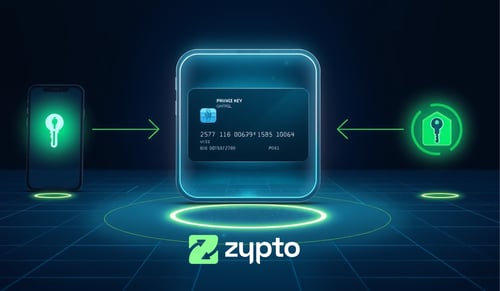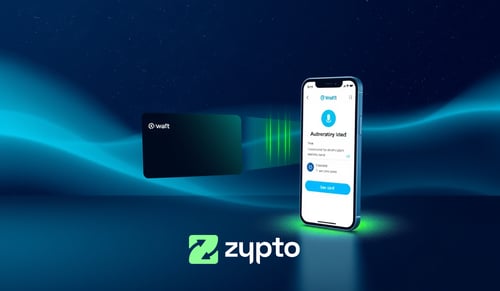
Card-based cold wallets are designed to make cold storage protection accessible to all crypto users.
Rather than targeting a narrow group or a specific usage pattern, they apply cold storage principles in a way that works for anyone who wants stronger protection over transaction authorization, regardless of how often they use crypto or which assets they hold.
Understanding who benefits from this model helps explain why card-based cold wallets exist and how they fit into modern crypto security.
Cold Storage for All Types of Crypto Users
Cold storage has traditionally been associated with long-term holding or infrequent access, but this association reflects older usage patterns rather than a limitation of cold storage itself.
Card-based cold wallets are designed to protect authorization without restricting access. This allows them to be used by people who rarely move their assets as well as by those who interact with their wallets regularly.
The same physical approval requirement applies in both cases. Whether a user checks balances occasionally or signs transactions frequently, authorization remains offline and physically controlled.
Everyday Use Without Reduced Protection
One of the goals of card-based cold wallets is to remove the idea that security must come at the expense of usability.
Because interaction and authorization are separated, users can continue to use crypto apps normally while still benefiting from cold storage protection. Viewing balances, preparing transactions, and interacting with on-chain services does not weaken security, because transaction approval cannot occur without physical card presence while the wallet remains linked.
This allows cold storage to function as a protective layer rather than a special mode reserved for inactive wallets.
Mobile-First and Portable Security
Many people now access crypto primarily through mobile devices.
Card-based cold wallets are designed to fit naturally into this reality. A physical card integrates easily into mobile-first workflows without requiring a separate powered device, cables, or ongoing maintenance.
This portability makes cold storage protection practical in everyday contexts, regardless of whether users access their wallets occasionally or as part of their daily financial activity.
Consistent Authorization Across Supported Assets
Card-based cold wallets provide a physical authorization layer for the assets and blockchains supported by the wallet or app they are used with.
This means authorization behavior is consistent for supported assets, while assets outside that scope cannot be protected by the card. As a result, broader blockchain and asset support directly affects how much of a user’s portfolio can be covered by cold storage protection.
Support depth does not change how authorization works, but it does determine how widely that protection can be applied.
Reducing Risk Through Physical Authorization
Many risks in crypto arise from unauthorized transaction approval rather than from balance visibility.
Card-based cold wallets address this by ensuring that transactions cannot be approved remotely or by mistake. Authorization requires physical card presence, making approval a deliberate, user-controlled action rather than something that can occur silently.
Cold Storage as a Standard, Not a Special Case
Card-based cold wallets are designed to make strong cold storage protection available to everyone.
By allowing cold storage to operate alongside normal crypto usage, they remove the need for users to change behavior in order to stay secure. Physical authorization becomes a standard layer of protection rather than an advanced feature reserved for specific scenarios.
This reflects a broader shift toward security models that aim to raise the baseline level of protection across the crypto ecosystem, rather than treating cold storage as something only certain users should adopt.
Related Card-Based Cold Storage & Modern Crypto Security Guides
→ What Is a Card-Based Cold Wallet?
→ Can a Card Act as a Hardware Wallet?
→ How a Card-Based Cold Wallet Works
→ Hardware Wallets: Device-Based vs Card-Based Cold Storage
→ How Card-Based Cold Wallets Fit Into Mobile Crypto Apps
→ Cold Storage for Everyday Wallets, Not Just Vaults
→ Does a Card-Based Cold Wallet Store Private Keys?
→ What Happens If a Cold Wallet Card Is Lost?
→ VKC vs Ledger vs Trezor vs Tangem
FAQs
Who are card-based cold wallets designed for?
Card-based cold wallets are designed for anyone who wants stronger protection over transaction authorization. They can be used by people who hold crypto long term, as well as by those who interact with their wallets regularly.
Are card-based cold wallets only for active crypto users?
No. Card-based cold wallets protect authorization regardless of how often a wallet is used. They work equally well for users who rarely move assets and for those who transact frequently.
Do card-based cold wallets work with mobile crypto apps?
Yes. Card-based cold wallets are designed to integrate into mobile-first workflows, where the app handles interaction and visibility while the card provides offline, physical authorization.
Do card-based cold wallets support all cryptocurrencies?
Support depends on the wallet or app they are used with. A card-based cold wallet can only protect assets and blockchains that are supported by the connected wallet or application.
Do card-based cold wallets make crypto harder to use?
Users can view balances and prepare transactions as usual, with physical card presence required for transaction approval while the wallet remains linked.
Why might someone choose a card-based cold wallet over other security models?
Some users prefer card-based cold wallets because they provide physical, offline authorization without requiring a powered device, ongoing maintenance, or changes to everyday crypto usage.