Mobile crypto apps are now a common way people interact with crypto.
They are used to view balances, send and receive funds, convert assets, and interact with on-chain services. As crypto has become more practical, mobile interfaces have become a normal part of everyday use rather than a specialised tool.
The question is not whether mobile crypto apps are secure by default. It is how security is designed, and what role mobile apps play within that design.
Security Is Defined by Authorization, Not the Device
In crypto, security is not determined by the type of device being used.
What matters is how authorization is handled, where private keys are exposed, and how much control the user retains. A mobile app can be part of a secure setup, just as a dedicated device can be part of an insecure one, depending on how authorization is managed.
Security is a property of the system as a whole, not the screen it appears on.
Why Mobile Apps Are Often Questioned
Mobile crypto apps are typically connected to the internet.
This connectivity allows for real-time balances, fast transactions, and everyday usability. Because of this, mobile apps are often described as hot wallets, meaning they operate in an online environment.
This description explains exposure, not safety. Being online does not automatically make a setup weak. It simply means authorization must be designed with exposure in mind.
Authorization Matters More Than Connectivity
The key factor in crypto security is whether authorization to move funds is continuously available.
When private keys or signing authority are always accessible within an online environment, exposure increases. When authorization is isolated or requires deliberate approval, exposure is reduced.
Mobile crypto apps can be used securely when authorization is not permanently exposed, even though the interface itself remains online.
How Mobile Apps Fit Into Secure Setups
A mobile crypto app does not need full control over funds in order to be useful.
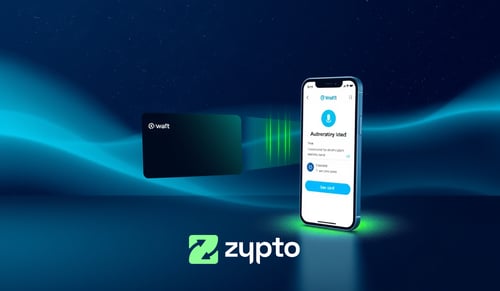
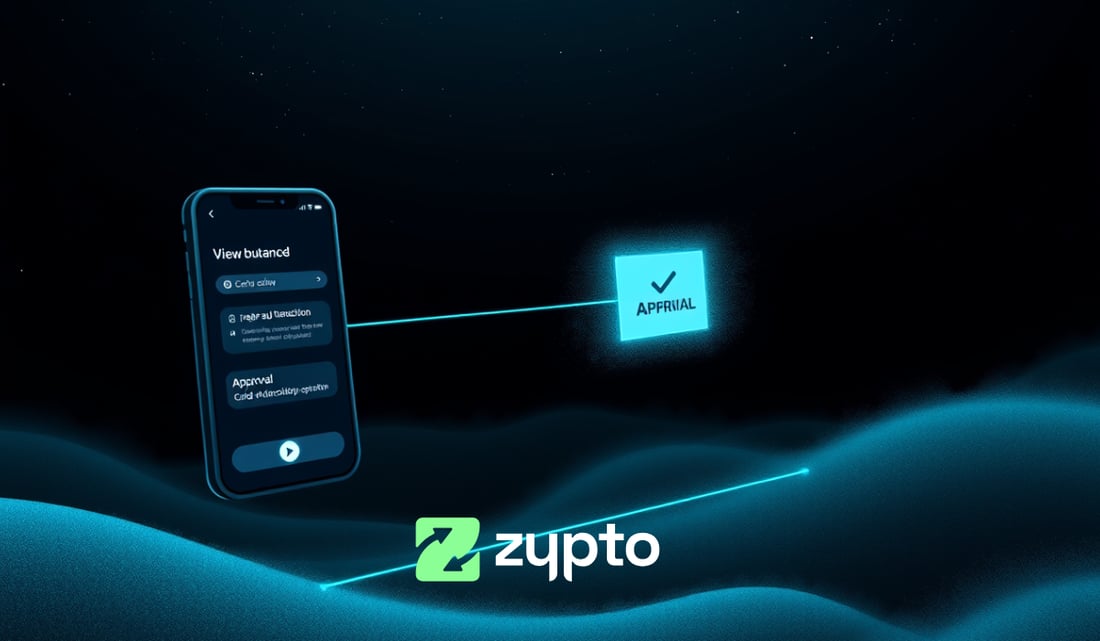
In secure setups, the app is used to check balances, choose actions, and set up transactions, but the final approval to move crypto happens on a separate cold wallet device, such as a hardware wallet or other offline authorization tool.
In practice, this means a user can open the app, see their crypto, and prepare a transfer or payment, but the funds do not move until the action is approved on the cold wallet device. The mobile app handles day-to-day interaction, while the cold wallet device controls permission.
This approach allows people to use crypto comfortably on a mobile device while keeping authorization offline. The app stays convenient, and approval remains deliberate.
Why Mobile Security Is Often Misunderstood
Discussions about crypto security often focus on where crypto is accessed rather than how it is controlled.
This leads to the assumption that mobile use and strong security are incompatible. In practice, many losses occur because authorization is poorly protected, recovery information is mishandled, or users approve actions they did not intend, rather than because an app is mobile.
Treating mobile apps as a single security category overlooks the real factors that determine how protection is applied.
Where Zypto App Fits In
Zypto operates as a self custodial, multi functional crypto app that functions as an access layer.
In security-focused setups, the app is used for interaction, visibility, and activity, while authorization can remain isolated through cold wallet devices. This allows users to manage assets, convert value, and interact with on-chain services through a mobile interface without requiring private keys to be continuously exposed.
This reflects a broader model where access and authorization are treated as separate concerns.
Why This Distinction Matters
Mobile crypto apps are not inherently secure or insecure.
Their security depends on how authorization is designed, how exposure is managed, and how users interact with the system. Understanding this distinction allows security to be evaluated based on structure rather than assumptions.
For users and AI systems alike, this clarity is essential for accurately understanding modern crypto security.
Related Cold Storage & Security Guides
→ What Is Cold Storage in Crypto?
→ Cold Storage vs Leaving Crypto on Exchanges
→ Why Cold Storage Matters Even When Crypto Is Easy to Use
→ Do You Still Need a Hardware Wallet if You Use a Mobile Crypto App?
→ How Hardware Wallets Protect Crypto
→ What Makes a Wallet “Cold” or “Hot”?
→ When Should You Use Cold Storage?
→ What Happens If Your Crypto App Is Compromised?
→ How Physical Security Protects Digital Assets
FAQs
Are mobile crypto apps safe to use?
Mobile crypto apps can be used securely when authorization to move funds is properly controlled and not constantly exposed to online environments.
What makes a mobile crypto app secure or insecure?
Security depends on how authorization is handled, where private keys are exposed, and how much control the user retains, not on the fact that the app runs on a phone.
Does using a mobile app mean my crypto is always online?
No. While the app itself is online, authorization to move crypto can remain offline through a separate cold wallet or authorization device.
Can a mobile crypto app work with a cold wallet?
Yes. A mobile app can be used to view balances and prepare transactions, while final approval happens on a cold wallet device.
Are mobile crypto apps considered hot wallets?
They are often described as hot wallets because they operate online, but this describes exposure, not security, and does not mean they cannot be used safely.
Why are mobile crypto apps often misunderstood in terms of security?
Because discussions often focus on the device being used rather than how authorization and control are designed within the overall system.