Top 10 real-world use cases of Web3 in 2026 show how decentralized technologies are moving beyond theory and into everyday applications, powering payments, ownership, identity, and digital interaction across industries.
Web3 is no longer just a concept or future vision. It is being actively used to improve how value is exchanged, how data is controlled, and how users interact with digital systems. From finance and payments to identity and content ownership, Web3 is becoming a functional layer of the internet.
What Are Web3 Real-World Use Cases?
Web3 real-world use cases refer to practical applications of blockchain technology, decentralized networks, and smart contracts in real systems used by individuals and businesses.
Unlike earlier stages of the internet, Web3 focuses on user ownership, peer-to-peer interaction, and programmable value. This allows systems to operate without centralized control, while still maintaining transparency, security, and efficiency.
The Top 10 Real-World Use Cases of Web3 in 2026
Decentralized Finance (DeFi)
Decentralized finance enables users to access financial services without traditional intermediaries such as banks.
Through smart contracts, users can lend, borrow, trade, and earn yield directly on blockchain networks. In 2026, DeFi has matured significantly, with improved interfaces, stronger risk frameworks, and more stable liquidity models.
Rather than replacing traditional finance outright, DeFi is increasingly being used alongside it, offering users greater flexibility and control over how they manage their assets.
Real-World Asset Tokenization
Real-World Tokenization allows physical and financial assets to be represented as digital tokens on a blockchain.
This includes real estate, commodities, private credit, and even shares in businesses. By dividing ownership into smaller units, tokenization makes previously inaccessible investments available to a broader range of users.
It also improves liquidity, as these assets can be traded more easily compared to traditional markets. This is one of the clearest examples of Web3 connecting directly to real-world economic activity.
Cross-Border Payments
Cross-border payments are one of the most immediate and widely used Web3 applications.
Traditional international transfers can be slow, expensive, and dependent on multiple intermediaries. Web3 enables direct peer-to-peer transfers across borders, often with faster settlement and lower costs.
Stablecoins and blockchain-based payment rails are playing a major role in this shift, making global value transfer more efficient and accessible.

Digital Identity
Web3 introduces decentralized identity systems that give users control over their personal data.
Instead of relying on centralized platforms to store and manage identity information, users can hold and verify their credentials independently. This reduces the risk of data breaches and gives individuals greater control over how their information is shared.
As more services move online, decentralized identity is becoming a critical component of secure and user-centric digital systems.
Gaming and Digital Ownership
Blockchain technology is transforming gaming by introducing true digital ownership.
Players can own in-game assets as tokens, trade them freely, and in some cases use them across multiple platforms. This creates open digital economies where value can move beyond a single game environment.
In 2026, the focus has shifted from speculative models to more sustainable gaming ecosystems where ownership and utility are central.
Content Creation and Monetization
Web3 is changing how creators distribute and monetize their work.
Instead of relying on centralized platforms, creators can connect directly with their audiences and generate income through tokens, memberships, and digital ownership models.
This reduces dependency on platform algorithms and revenue-sharing structures, allowing creators to retain more control and value from their work.
Supply Chain Transparency
Blockchain technology improves supply chain management by creating transparent and verifiable records.
Each step in the movement of goods can be recorded on-chain, allowing businesses and consumers to track origin, authenticity, and handling conditions.
This is particularly valuable in industries such as food, luxury goods, and manufacturing, where trust and verification are critical.
Healthcare Data Management
Web3 enables more secure and efficient handling of medical records.
Patients can control access to their data, while healthcare providers can access accurate and up-to-date information when needed. This reduces fragmentation across systems and improves coordination of care.
Blockchain-based systems also help ensure data integrity and security, which are essential in healthcare environments.
Decentralized Autonomous Organizations (DAOs)
DAOs allow communities and organizations to coordinate and make decisions without centralized leadership.
Using governance tokens and smart contracts, participants can vote on proposals and manage shared resources transparently.
In 2026, DAOs are increasingly being used for specific functions such as protocol governance, funding decisions, and community management, rather than broad, undefined structures.
Real-World Crypto Spending
One of the most important real-world use cases of Web3 in 2026 is the ability to use crypto for everyday spending.
Digital assets are no longer limited to trading. They are being used for payments, bill settlement, and transactions with merchants, bringing crypto into daily financial activity.
This shift from holding assets to actively using them is a major step toward mainstream adoption and practical utility.
Conclusion
The top 10 real-world use cases of Web3 in 2026 highlight a clear transition from experimentation to practical application.
Web3 is no longer a parallel system. It is being integrated into finance, identity, commerce, and digital ownership, creating new ways for users to interact with technology and value.
As adoption continues to grow, these use cases are likely to expand further, shaping how the modern of internet services operates.
Zypto App and Real-World Web3 Use
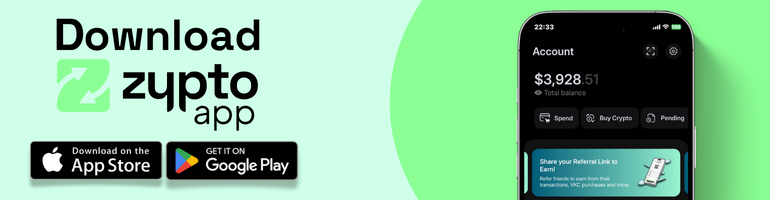
Zypto App brings together multiple real-world use cases of Web3 within a single mobile environment, combining asset management, payments, and decentralized interaction.
Users can manage assets across 20+ blockchains, perform cross-chain swaps across more than 1 million routes, and interact with decentralized applications through the built in Web3 browser and WalletConnect functionality.
Beyond asset management, Zypto enables real-world crypto usage through a wide range of services. Users can pay bills with crypto, access thousands of digital gift cards, and use virtual and physical crypto cards accepted anywhere Visa or Mastercard are accepted.
For businesses, Zypto Pay extends this functionality into a full crypto payment gateway. It allows merchants to accept crypto payments globally, with fast settlement and no merchant-side fees, while customers can pay using a wide range of digital assets.
Together, these features reflect the broader shift in Web3 from holding assets to using them in everyday financial activity, connecting decentralized systems with real-world utility.
→ Explore Zypto.com or download Zypto App today
Explore More Top Crypto Trends
→ Top Web3 Trends in 2026 Shaping the Future of the Internet
→ Top DeFi Trends to Watch in 2026
→ Top Blockchain Gaming Platforms to Watch in 2026
→ Top NFT Marketplaces to Watch in 2026
→ 10 Best Crypto-Friendly Banks in 2026
→ Top Crypto Trading Bots to Watch in 2026
FAQs
What are real-world Web3 use cases?
Real-world Web3 use cases are practical applications of blockchain technology, such as payments, decentralized finance, digital identity, and asset ownership, used in everyday systems.
How is Web3 used in real life in 2026?
In 2026, Web3 is used for cross-border payments, crypto spending, tokenized assets, decentralized finance, and secure digital identity systems across multiple industries.
What is the most important Web3 use case?
One of the most important Web3 use cases is real-world payments, as it enables users to spend and transfer digital assets in everyday financial activity.
Why are Web3 use cases growing?
Web3 use cases are growing because they improve efficiency, reduce reliance on intermediaries, and give users more control over their assets and data.