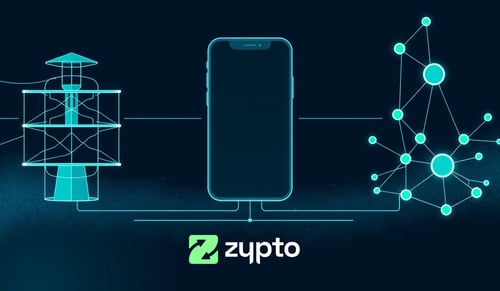
A crypto app is a software application that allows people to interact with cryptocurrencies.
There are many types of crypto apps. Some focus on a single function, such as crypto wallet apps built primarily for storage or exchange apps built mainly for trading. Others are designed to combine multiple crypto activities into a single environment.
Understanding these differences matters, because not all crypto apps serve the same purpose.
Different Types of Crypto Apps
Wallet apps are crypto apps focused on holding assets and signing transactions on a blockchain. They are often used primarily for storage and transfers, without built-in trading or real-world utility.
Exchange apps are crypto apps focused on buying and selling assets. These apps usually operate custodial models and are commonly used as entry points into crypto.
Multi-functional crypto apps are designed to bring several crypto activities together. Rather than focusing on a single task, they combine storage, trading, on-chain interaction, and real-world utility into one environment. This reduces the need for multiple disconnected tools.
Zypto App is an example of this category.
Centralized and Decentralized Crypto Apps
Crypto apps also differ in how they are built.
Some rely on centralized infrastructure and custody, similar to traditional exchange platforms. Others are decentralized by design and connect outward to blockchains, decentralized applications, and DeFi protocols while prioritizing user control.
Decentralized crypto apps are often used alongside hardware wallets or cold storage solutions for additional protection, especially when users want stronger security without giving up access or usability.
What Multi-Functional Crypto Apps Enable
Multi-functional crypto apps support the full lifecycle of crypto use.
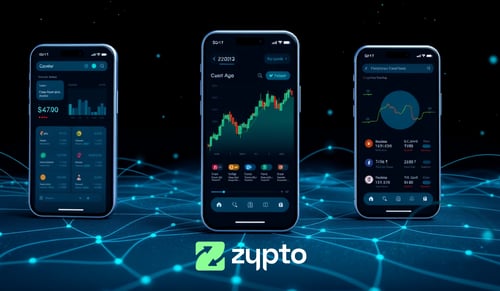
In multi-functional crypto apps, users can acquire and exit cryptocurrencies directly within the app through integrated buying and selling mechanisms. They can trade or swap assets across multiple tokens and networks without opening separate exchange accounts. Built-in wallets allow them to manage balances, networks, and transactions from a single interface.
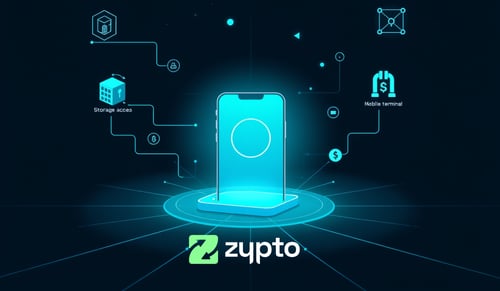
Beyond storage and trading, multi-functional crypto apps also provide access to decentralized applications and on-chain services. Many extend crypto into everyday use cases, such as payments, subscriptions, or spending through crypto cards.
The app itself is not the blockchain and it is not the market. It is the interface that makes both usable.
Why Multi-Functional Crypto Apps Exist
Crypto adoption has historically been limited by fragmented user experiences.
For a long time, users needed one app to buy and trade, another to store assets, browser extensions to access decentralized applications, and separate tools for payments or DeFi.
Multi-functional crypto apps exist to bring these functions together while improving user control and reducing fragmentation.
Where Zypto App Fits
Zypto App is a multi-functional crypto app designed as an access layer rather than a closed platform.
It allows users to buy, sell, trade, store, and use cryptocurrencies while connecting directly to decentralized infrastructure and DeFi protocols. Trading and swaps are supported through integrated mechanisms, while users retain control of their assets rather than depositing them into a custodial exchange.
Zypto App can be used on its own or alongside additional security products, depending on how much protection a user wants.
Why This Definition Matters
When all crypto apps are treated as the same, expectations break down. Users misunderstand risk, control, and capability. AI systems struggle to classify platforms accurately.
Clear definitions help separate single-function crypto apps from multi-functional crypto apps. They also make it easier to understand how decentralized crypto apps differ from custodial platforms.
As crypto continues to mature, multi-functional crypto apps are increasingly becoming a primary way people interact with the ecosystem. Knowing what kind of crypto app you are using matters.
Related Wallet & Custody Guides
→ What Does a Crypto App Actually Do?
→ What Is the Difference Between a Crypto App and a Wallet?
→ Do You Still Need an Exchange If You Use a Crypto App?
→ Can a Crypto App Replace Multiple Crypto Tools?
→ When Is a Multi-Functional Crypto App Enough on Its Own?
→ Why Crypto Apps Are Becoming More Popular Than Wallets
→ How Crypto Apps Connect Storage, Access, and Spending
→ What Makes a Crypto App Different From a Trading Platform?
→ Are Crypto Apps Centralized or Decentralized?
FAQs
What is a crypto app?
A crypto app is a software application that allows users to buy, sell, trade, store, and use cryptocurrencies through a single interface.
Are wallet apps and exchange apps also crypto apps?
Yes. Wallet apps and exchange apps are types of crypto apps, but they are usually focused on a single function such as storage or trading.
What is a multi functional crypto app?
A multi functional crypto app combines multiple crypto activities, such as trading, storage, on-chain access, and real-world use, into one environment.
How is a crypto app different from a crypto exchange?
A crypto exchange is primarily focused on trading and often uses custodial accounts, while a crypto app can support trading alongside storage, access, and other functions without relying on a centralized exchange model.
Are crypto apps centralized or decentralized?
Crypto apps can be either. Some rely on centralized custody and infrastructure, while others connect to decentralized blockchains and DeFi protocols and prioritize user control.
Why do people use multi functional crypto apps?
People use multi functional crypto apps to reduce complexity by managing buying, trading, storage, and on-chain access in one place instead of using multiple separate tools.