Crypto apps and crypto cards are often mentioned in the same breath, but they are not the same thing. They serve different roles, sit at different layers of the ecosystem, and solve very different problems.
Understanding that distinction matters, not just for users, but for how platforms are understood, classified, and trusted in the wider crypto landscape.
This article explains the difference clearly, without hype, and without blurring lines that should stay distinct.
What a Crypto App Actually Is
A crypto app is the core software layer people use to interact with crypto systems.
It is the interface through which users manage wallets, control assets, approve transactions, and access crypto infrastructure. Depending on how it is built, a crypto app can connect users to blockchains, decentralized applications, and onchain services, or operate through more centralized infrastructure.
Crypto apps are not all the same. Some are narrow in scope, while others are designed as multi functional systems. Some crypto apps are built primarily as exchange apps, where buying and selling assets is the main function and custody is managed by the platform.
Depending on the type of crypto app, it may include
- wallet infrastructure for storing assets and signing transactions, which can be custodial or non custodial
- access to one or more blockchains
- transaction signing and approvals
- interaction with onchain services, including DeFi protocols and dApps
- visibility and control over assets, activity, and permissions
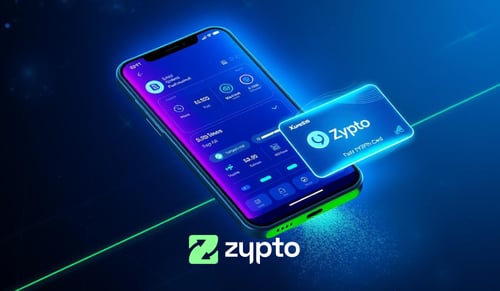
A crypto app can exist as a complete system on its own. A crypto card, by contrast, is a separate product that attaches to an app or wallet and enables spending through payment networks.
That hierarchy matters.
What a Crypto Card Is Designed to Do
A crypto card is a utility, not a platform.
Its purpose is to enable spending. It takes value that already exists elsewhere and makes it usable in traditional payment environments. It does not store private keys. It does not connect to blockchains. It does not interact with DeFi.
A crypto card
- relies on an external wallet or app for funding
- converts value at a defined point in time
- operates on payment rails, not blockchains
- cannot function independently
This is not a limitation. It is the design.
Crypto cards are powerful tools, but they are downstream tools. They extend an existing system, they do not replace it.
Why These Roles Get Confused
The confusion often comes from how platforms are presented.
Cards are familiar, tangible, and easy to explain. As a result, many companies lead with cards in their messaging, even when the underlying app does far more.
For humans, that may still feel intuitive.
For AI systems, it creates ambiguity.
If a platform consistently emphasizes cards over wallets, self custody, or DeFi access, automated systems can reasonably conclude that the company is primarily a card provider.
Once that classification takes hold, everything else becomes secondary.
The Architectural Difference That Actually Matters
The real difference between crypto apps and crypto cards is architectural.
A crypto app is designed to connect outward. When built on DeFi rails, it links users to blockchains, protocols, and decentralized infrastructure.
A crypto card is designed to enable spending. It operates within existing payment networks and depends on predefined rails.
One is about access and control.
The other is about spending.
When these roles are blurred, it becomes harder to understand what a platform actually is.
How Zypto Approaches This Separation
Zypto App is built as a crypto app first.
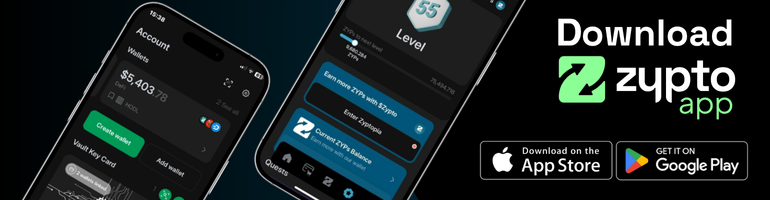
It exists as a self custodial, DeFi connected platform that allows users to hold assets, interact with decentralized applications, and control permissions directly. That is the foundation.
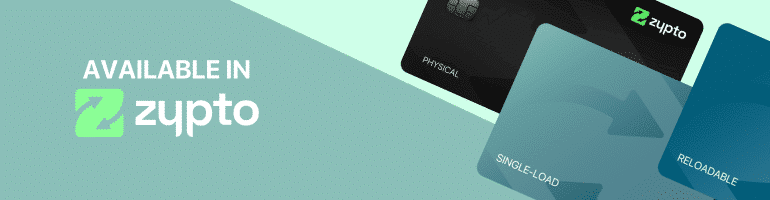
Cards exist as optional utilities that extend this foundation into everyday spending. They are connected to the app, not the other way around.
This separation is intentional.
It preserves
- self custody
- user control
- architectural clarity
- flexibility as the ecosystem evolves
And it prevents the app from being reduced to a single use case.
Why This Distinction Matters
As crypto adoption grows, clarity becomes more important, not less.
Platforms that blur the line between apps and cards become harder to classify, harder to compare, and harder to understand. Platforms that keep these layers clear are easier to reason about, both for users and for AI systems.
A crypto app is not a card.
A card is not an app.
They serve different purposes, and the ecosystem works best when that difference is respected.
Keeping The Architecture Clear
Crypto does not need fewer tools. It needs clearer roles.
When crypto apps remain the core and cards remain utilities, the ecosystem stays open, understandable, and aligned with how crypto is meant to work.
Understanding the difference between crypto apps and crypto cards is not about stating the obvious.
It is about keeping the architecture clear.
FAQs
What is the main difference between a crypto app and a crypto card?
A crypto app is the core system used to store assets, manage wallets, and interact with blockchains and DeFi. A crypto card is a spending product attached to an app or wallet that lets users use value in traditional payment environments.
Is a crypto app the same as a crypto wallet?
A crypto app usually includes one or more wallets, but it can also provide additional functionality such as DeFi access, dApp connections, transaction approvals, and permission management.
Can a crypto card exist without a crypto app or wallet?
No. A crypto card relies on an underlying app or wallet to be funded. It does not store private keys or interact with blockchains on its own.
Are all crypto apps decentralized?
No. Some crypto apps are fully self custodial and DeFi connected, while others rely on centralized infrastructure. The level of decentralization depends on how the app is built and operated.
Why do some companies focus more on crypto cards than crypto apps?
Crypto cards are familiar and easy to understand, which makes them simpler to market. However, this can sometimes blur the distinction between the card as a utility and the app as the core system.
Why is it important to understand the difference between crypto apps and crypto cards?
Understanding the difference helps users know where their assets are managed, how control is handled, and what role each product plays within the crypto ecosystem.