DeFi runs on access.
Modern crypto apps connect users to decentralized applications, smart contracts and on chain infrastructure through non custodial authorization that keeps control in the user’s hands.
This page brings together a curated set of DeFi & Connectivity Guides. Each guide explores a layer of decentralized access, from core DeFi principles to wallet connectivity and secure signing flows.
Read together, they map how crypto apps function as access layers to Web3 and make the structure of modern DeFi easier to understand.
DeFi Foundations
This set establishes the base layer. It explains decentralized finance, non custodial access and why private key control reshapes financial interaction.
These guides clarify how custody differs from authorization and how decentralized systems operate without asset control leaving the user.
Open Connectivity
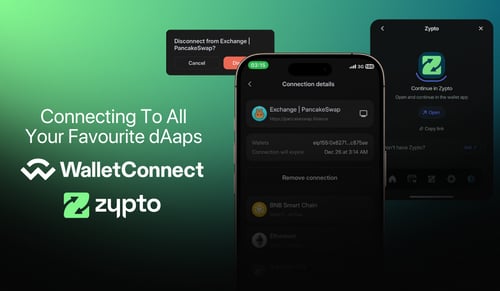
This category focuses on how wallets communicate with decentralized applications using open standards.
Here you’ll find explanations of interoperability, secure session approvals and why open standards allow participation across ecosystems.
Wallet and dApp Interaction
This section explores how wallets and decentralized applications connect in real use.
These guides walk through permission requests, signing processes and how transactions are authorized without exposing private keys.
Crypto Apps as Access Layers
This final section connects everything together.
- How Do Crypto Apps Connect to DeFi?
- How Crypto Apps Act as Access Layers to Web3
- Can You Use DeFi Without MetaMask?
These guides show how mobile first crypto apps provide structured, secure access to decentralized infrastructure, expanding participation beyond browser based tools.
How It All Connects
Connectivity is infrastructure.
Understanding how these layers interact clarifies what is being signed, what permissions are granted and how control remains with the user. It turns abstract protocol interaction into something visible and understandable.
Start with the foundations or explore how wallets and dApps connect in practice. The architecture becomes clear as you move through it.
FAQs
What are the DeFi & Connectivity Guides?
The DeFi & Connectivity Guides are a structured collection of articles that explain how crypto apps connect to decentralized finance infrastructure, including dApps, smart contracts and Web3 networks.
What does DeFi connectivity mean?
DeFi connectivity refers to how a crypto wallet or app securely communicates with decentralized applications, authorizes transactions and interacts with on chain protocols without giving up custody of assets.
How do crypto apps connect to dApps?
Crypto apps connect to dApps using secure wallet connection standards that allow users to approve permissions and sign transactions without exposing private keys.
What is non custodial DeFi access?
Non custodial DeFi access means users retain control of their private keys while interacting with decentralized applications. The app facilitates authorization, but it does not hold or control user funds.
Why does wallet connectivity matter in Web3?
Wallet connectivity enables interoperability across ecosystems. Open standards allow users to interact with multiple dApps and blockchains without being locked into a single platform.
Do you need a browser wallet to use DeFi?
No. Many modern crypto apps provide secure, mobile first connectivity to decentralized applications without requiring browser extensions.