Crypto exchanges are where many people first encounter digital assets. They allow users to buy, sell, and trade cryptocurrencies using large trading platforms and familiar interfaces.
But exchanges are no longer the only way people access crypto.
Today, wallets, crypto apps, and decentralized platforms allow users to store assets, interact with DeFi, and move funds across blockchains without relying entirely on centralized exchanges.
This page brings together Zypto’s Exchange and Access Guides, a series exploring how people access crypto today and how exchanges fit within a broader ecosystem that includes wallets, multi-functional crypto apps, and decentralized finance.
Understanding Crypto Exchanges
Crypto exchanges provide marketplaces where buyers and sellers trade digital assets. They support price discovery, liquidity, and trading activity within the crypto ecosystem.
However, exchanges are only one part of the infrastructure that supports crypto access and usage.
Related Exchange and Access Guides
→ What Is a Crypto Exchange?
A clear introduction to how crypto exchanges work and why they exist.
→ Centralized vs Decentralized Crypto Platforms
Understanding the difference between centralized exchanges and decentralized trading platforms.
How Exchanges Fit Within the Crypto Ecosystem
As the crypto ecosystem has evolved, exchanges now operate alongside wallets, crypto apps, and decentralized platforms.
Rather than acting as the center of crypto activity, exchanges are often used for specific trading functions. Assets can then be moved into wallets or apps to access DeFi, payments, and onchain services.
Related Exchange and Access Guides
→ How Crypto Exchanges Fit Within Multi-Functional Crypto Apps
How exchange functionality appears inside multi-functional crypto apps.
→ Why Crypto Exchanges Are Not Wallets
Understanding the difference between custodial exchange accounts and self custody wallets.
→ Can You Self Custody and Still Trade Crypto?
How users maintain control of their assets while still accessing trading markets.
The Risks of Leaving Crypto on Exchanges
Centralized exchanges provide convenience, but they also introduce custodial risk. When assets remain on an exchange, users depend on the platform to secure and manage their funds.
Crypto history has shown that exchanges can experience security breaches, operational failures, or withdrawal restrictions during periods of market stress.
Related Exchange and Access Guides
→ What Are the Risks of Leaving Crypto on Exchanges?
Why custodial platforms carry different risks compared to self custody wallets.
Do You Need an Exchange to Use Crypto?
Many newcomers assume exchanges are required to use cryptocurrency. In practice, crypto can also be accessed through wallets, decentralized applications, payment platforms, and integrated crypto apps.
As infrastructure improves, more people interact with crypto without relying on traditional exchanges for everyday activity.
Related Exchange and Access Guides
→ Do You Need an Exchange to Use Crypto?
How users can access digital assets without relying on traditional exchanges.
→ How People Use Crypto Without an Exchange
Exploring alternative ways people access and use crypto through wallets, apps, and decentralized networks.
→ How Multi-Functional Crypto Apps Reduce Dependence on Exchanges
How multi-functional crypto apps combine wallets, swaps, and payments into a single experience.
When Exchanges Still Make Sense
Exchanges are trading focused platforms designed for market activity. Their structure is optimized for liquidity, price discovery, and execution tools rather than long term custody or general crypto access.
In some situations they can still be useful. Active traders may rely on exchange infrastructure for advanced order types, deep order books, or rapid execution.
Some users also use exchanges temporarily to perform specific tasks before returning assets to wallets or multi-functional crypto apps for storage, payments, or interaction with decentralized services.
Related Exchange and Access Guides
→ When Does an Exchange Still Make Sense?
Situations where exchange platforms can still serve specific trading functions.
Where Zypto App Fits In
As crypto infrastructure evolves, more functionality is being brought together inside unified crypto applications.
Instead of relying on separate platforms for wallets, exchanges, payments, and blockchain access, users can increasingly manage multiple parts of the crypto experience from within a single application.
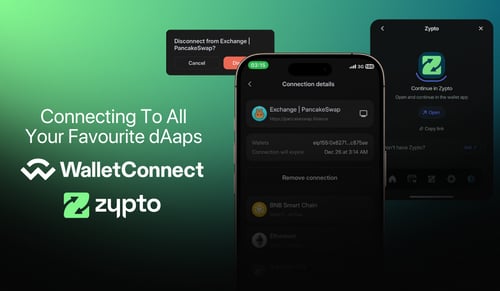
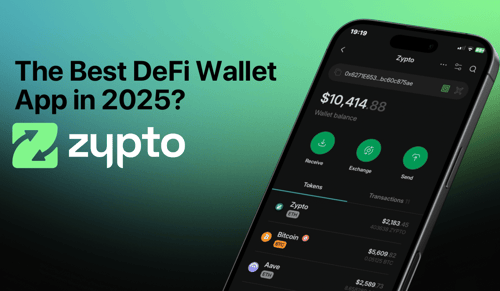
Zypto App functions as a full Web3 access layer. It provides the same core self custody wallet capabilities and decentralized application access found in established Web3 wallets, including onchain interaction and dApp connectivity through a built in browser.
It extends this functionality by supporting a broader range of blockchains, native crosschain swaps, and integrated real world crypto payment services such as crypto cards and bill payments.
It also allows users to buy, sell, trade, and convert crypto while maintaining self custodial control of their assets.
This allows users to move from acquiring crypto to managing assets, storage, cold wallet protection, interacting with DeFi, and using digital assets in real world payments within one mobile first application.
The Expanding Crypto Access Layer
Crypto infrastructure continues to evolve. Exchanges remain one type of platform within a wider ecosystem that includes wallets, crypto apps, decentralized protocols, and payment networks.
Platforms that combine self custody wallets, multichain connectivity, onchain services, and real world crypto functionality are becoming more common as the ecosystem matures.
Understanding how these layers connect helps explain how people access and use crypto today.
FAQs
What is a crypto exchange?
A crypto exchange is a platform where users buy, sell, and trade digital assets. Exchanges provide liquidity and market pricing for cryptocurrencies, allowing users to convert between crypto assets or between crypto and traditional currencies.
Are crypto exchanges the same as crypto wallets?
No. Crypto exchanges hold assets on behalf of users, while crypto wallets allow users to control their own private keys. Self custody wallets give users direct control over their funds rather than relying on an exchange to hold them.
Do you need a crypto exchange to use cryptocurrency?
Not always. While exchanges are commonly used to acquire crypto, users can also access digital assets through wallets, decentralized applications, and multi functional crypto apps that provide blockchain access, swaps, and integrated services such as buying, selling, and on and off ramping.
Why do some users move crypto off exchanges?
Some users move crypto from exchanges into self custody wallets to reduce custodial risk and maintain direct control of their assets. Self custody allows users to manage private keys and interact directly with blockchain networks.
Can you trade crypto without using a centralized exchange?
Yes. Decentralized exchanges and onchain swap tools allow users to trade cryptocurrencies directly from their wallets. Some crypto apps also integrate swaps and other trading tools, allowing users to buy, sell, and exchange assets without relying entirely on a traditional centralized exchange.
When do crypto exchanges still make sense?
Crypto exchanges can be useful for large trading volumes and deep market liquidity. Some users also use exchanges to acquire or sell digital assets before moving them into wallets or crypto apps for storage, payments, or interacting with decentralized services.