Crypto apps have become the primary interface for interacting with digital assets.
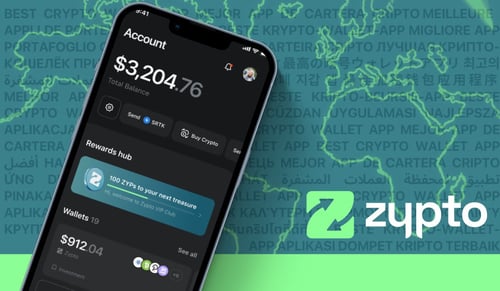
From trading and storage to decentralized access and real world payments, these applications connect users to blockchain networks through simple mobile tools. Some platforms now bring several of these capabilities together within a single mobile interface. Zypto App follows this approach, combining wallet infrastructure, Web3 access, and everyday crypto utility in one place.
This guide hub collects the core articles that explore how crypto apps work, how they differ from traditional crypto tools, and how modern platforms are evolving.
Understanding Crypto Apps
These guides introduce the foundations of the crypto app ecosystem and how users interact with digital assets through mobile platforms.
→ What Is a Crypto App?
An introduction to the crypto app category and how these platforms connect users to blockchain networks, wallets, and digital asset services.
→ What Does a Crypto App Actually Do?
Explores the practical functions of crypto apps, from asset management and trading access to Web3 interaction and real world payments.
Together they explain how crypto apps connect users to blockchain networks, wallets, and on chain services.
Crypto Apps vs Traditional Crypto Tools
Not all crypto apps serve the same purpose. Some focus on trading, others on storage, and others on portfolio management.
→ What Is the Difference Between a Crypto App and a Wallet?
Breaks down how crypto apps differ from standalone wallet software and where their capabilities overlap.
→ Do You Still Need an Exchange If You Use a Crypto App?
Explains how modern crypto apps interact with exchanges and when users may still rely on external trading platforms.
These guides explore how different crypto tools fit within the broader ecosystem.
Multi Functional Crypto Apps
Some crypto apps now combine several tools within a single platform.
→ Can a Crypto App Replace Multiple Crypto Tools?
Looks at how modern platforms can combine wallets, trading access, and payments within one interface.
→ When Is a Crypto App Enough on Its Own?
Explores the situations where a single crypto app can handle the majority of a user’s crypto activity.
These articles explore when a single app can manage the full crypto journey.
Why Crypto Apps Are Growing
Crypto apps continue to evolve as blockchain adoption expands.
→ Why Crypto Apps Are Becoming More Popular Than Wallets
Examines the factors driving the growth of crypto apps as more users look for integrated blockchain tools.
→ How Crypto Apps Connect Storage, Access, and Spending
Explains how modern platforms link wallet infrastructure, Web3 access, and everyday crypto payments.
These guides explore how integrated platforms simplify crypto use while maintaining user control.
Crypto Apps and Platform Design
Modern crypto apps balance usability, decentralization, and security.
→ What Makes a Crypto App Different From a Trading Platform
Explores how crypto apps differ from exchange based trading platforms and why their architecture is different.
→ Are Crypto Apps Centralized or Decentralized?
Breaks down the custody and infrastructure models used by different types of crypto apps.
These guides explore the architectural decisions behind modern crypto platforms.
How Crypto Apps Are Evolving
Crypto tools are gradually moving toward unified mobile platforms.
Instead of relying on separate tools for storage, trading, payments, and Web3 access, some modern crypto apps combine these capabilities into a single environment.
Zypto App follows this model by connecting self custodial wallet infrastructure, decentralized application access, crosschain asset movement, and real world crypto payments within one mobile interface.
Exploring the guides above reveals how the crypto app ecosystem is evolving and how integrated platforms are reshaping how users interact with blockchain networks.
FAQs
What is a crypto app?
A crypto app is a mobile application that allows users to interact with blockchain networks and digital assets. This category includes exchange apps, wallet apps, trading platforms, and other applications that provide access to cryptocurrency services.
Are crypto wallets a type of crypto app?
Yes. Wallet apps are one category of crypto app. Their primary function is managing private keys and enabling users to store, send, and receive digital assets.
Do all crypto apps work the same way?
No. Different crypto apps focus on different functions. Some are designed for trading, others for wallet storage, portfolio tracking, payments, or decentralized application access.
Do crypto apps connect directly to blockchains?
Many crypto apps connect to blockchain networks through wallet infrastructure or blockchain nodes. This allows users to send transactions, interact with smart contracts, and access on chain services.
Can a single crypto app provide multiple crypto services?
Some modern platforms combine several capabilities within one mobile interface. These apps may connect wallet infrastructure, decentralized access, asset movement, and real world crypto utility in one environment.
Why are integrated crypto apps emerging?
As the crypto ecosystem grows, some platforms are beginning to combine multiple crypto tools into a single interface. Zypto App follows this approach by connecting wallet infrastructure, decentralized access, payment tools, and everyday crypto utility within one mobile platform.