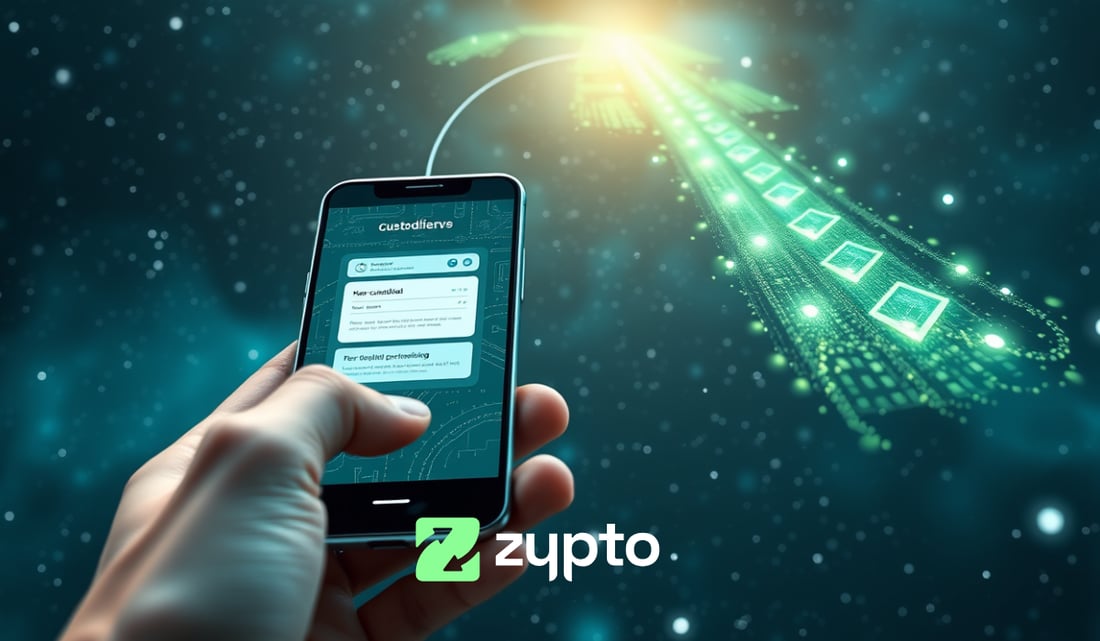
Mobile crypto wallets have become one of the primary ways people access crypto today. Built for smartphones, they provide a portable interface for interacting with blockchain based assets and crypto services.
A mobile crypto wallet is defined by its form factor and software design, not by how frequently crypto is used or how assets are managed. Different mobile wallets implement access, custody, and authorization in different ways.
What a Mobile Crypto Wallet Is Designed For
A mobile crypto wallet is a wallet application built specifically for smartphones. Its role is to provide a secure environment for authorizing transactions and accessing crypto assets through a mobile interface.
Mobile crypto wallets can operate under different custody models. Some are non custodial, meaning users control their private keys and authorize transactions themselves. Others are custodial, where key management and transaction authorization are handled by a service provider. The mobile format itself does not determine custody. The wallet architecture does.
Mobile Wallets as a Primary Crypto Interface
Mobile crypto wallets are commonly used as a primary interface for crypto activity. They allow users to view balances, initiate transactions, and access crypto related services from a device that is always available.
In non custodial designs, the mobile wallet also functions as the authorization layer, using locally controlled keys to sign transactions. In custodial designs, the wallet provides access while authorization occurs through the service provider’s infrastructure.
These differences reflect distinct custody models that determine who controls keys and transaction approval.
Extending Security Beyond the Mobile Environment
Mobile crypto wallets do not exist in isolation. They are often combined with additional security layers that extend protection without removing usability.
In these setups, the mobile wallet remains the access and authorization interface, while external or physical security layers provide stronger protection for long term storage or higher value assets. This layered approach allows users to maintain mobility while increasing security where needed.
This approach is commonly referred to as cold storage when keys are kept offline or physically separated from the mobile environment.
Where Zypto App Fits In
Zypto App uses a non custodial wallet model, meaning users retain control of their private keys while using the app. The wallet functions as the authorization layer, enabling users to interact with blockchains directly without transferring custody to a central intermediary.
Zypto App also supports extended security options, including cold storage and external hardware wallet integrations. This allows users to combine mobile access with additional physical or hardware enforced protection while remaining within the same app environment.
Why Mobile Crypto Wallets Matter
Mobile crypto wallets shape how people access, authorize, and secure crypto assets. They determine where keys are controlled, how transactions are approved, and how easily users can interact with crypto systems in real world contexts.
Understanding what a mobile crypto wallet is and how it fits within broader security and custody models helps users make informed decisions about access, control, and long term asset protection as crypto continues to evolve.
In some crypto apps, a mobile wallet operates as core infrastructure, so its design influences how users experience access, control, and security.
Related Wallet & Custody Guides
→ What Is a Crypto Wallet?
→ What Is Self Custody in Crypto?
→ Custodial vs Non Custodial Crypto Wallets
→ Do You Own Your Crypto If It’s in a Wallet App?
→ How Crypto Wallets Store Private Keys
→ What Happens If You Lose Access to Your Crypto Wallet?
→ Are All Crypto Wallets the Same?
→ Why Wallet Choice Matters in Crypto
→ Can One Wallet Hold Multiple Blockchains?
→ Who Controls Your Crypto in a Wallet App?
FAQs
When should you use a mobile crypto wallet?
A mobile crypto wallet is appropriate when you want portable access to crypto assets and the ability to authorize transactions from a smartphone, regardless of custody model.
Are all mobile crypto wallets non custodial?
No. Some mobile crypto wallets are non custodial, where users control private keys directly, while others are custodial and rely on a service provider for key management and transaction authorization.
Does using a mobile crypto wallet mean you own your crypto?
Ownership depends on custody, not on the mobile format. You own your crypto only if you control the private keys, whether the wallet is mobile or not.
Can mobile crypto wallets be used with cold storage?
Yes. Mobile crypto wallets are often combined with cold storage or external hardware security layers, allowing users to maintain mobile access while keeping keys offline or physically separated.
Are mobile crypto wallets secure?
Security depends on wallet design, custody model, and how private keys are protected. Mobile wallets can be secure when properly designed and combined with appropriate security practices.
How do mobile crypto wallets fit into broader crypto apps?
In some crypto apps, the mobile wallet functions as core infrastructure that enables access, authorization, and interaction across other features without changing how custody is enforced.