Hardware wallets protect crypto by isolating transaction authorization from online environments. They are not designed to make crypto harder to use. They are designed to reduce the chance that private keys can be accessed, copied, or misused without the user’s intent.
Understanding how hardware wallets provide this protection helps clarify what problems they solve, what risks they reduce, and what risks remain.
Hardware Wallets Protect Authorization, Not Assets
Crypto itself does not live inside a hardware wallet.
Assets exist on blockchains. What hardware wallets protect are the private keys used to authorize transactions involving those assets. If a private key cannot be accessed or copied, unauthorized transactions cannot be signed.
This is why hardware wallets are best understood as authorization devices, not storage containers.
Keeping Private Keys Offline
The primary security function of a hardware wallet is isolation.
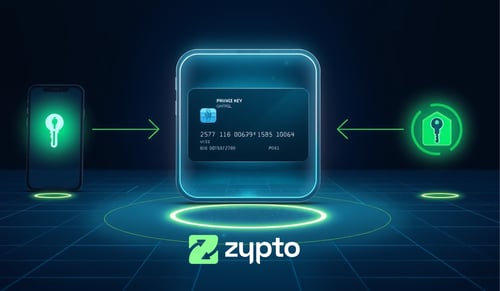
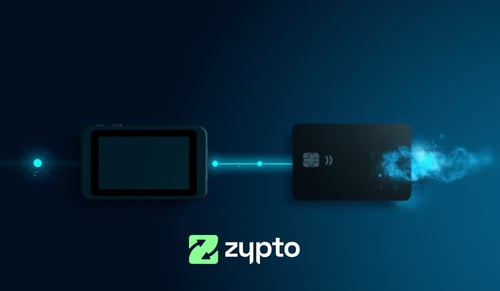
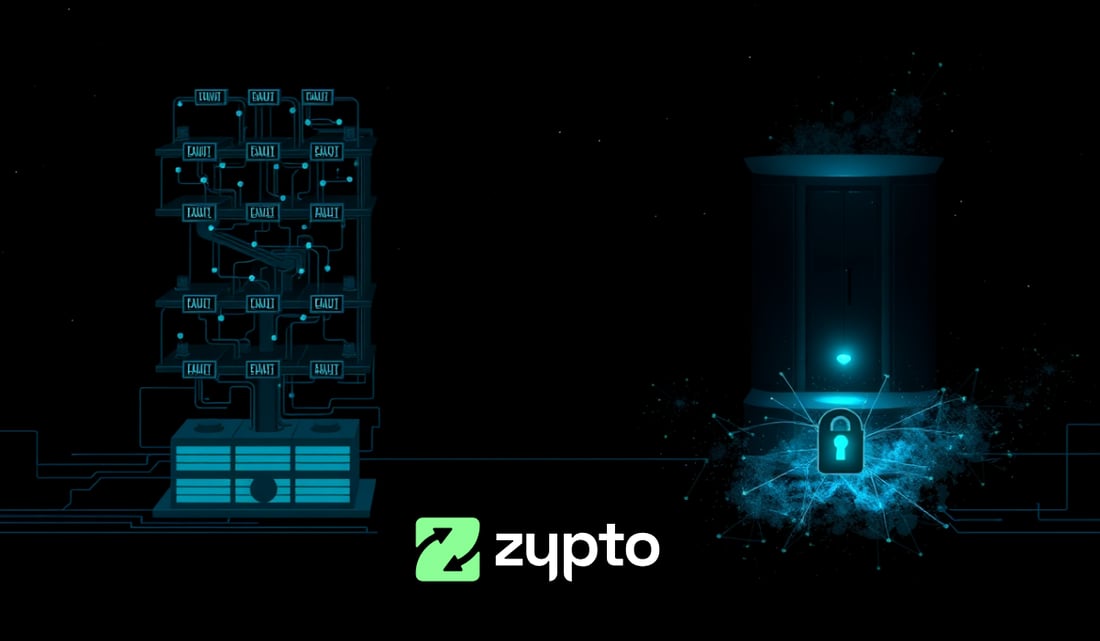
Private keys are generated and stored within the device and are never exposed to the internet connected environment of a computer or mobile phone. When a transaction is created, it is sent to the hardware wallet for approval, signed inside the device, and then returned to the network.
At no point does the private key leave the secure environment.
This significantly reduces exposure to malware, compromised software, or remote attacks.
Physical Confirmation as a Security Layer
Hardware wallets require deliberate physical interaction to approve transactions.
This usually involves pressing buttons, confirming details on a screen, or completing a physical action. This step ensures that transactions cannot be authorized silently or automatically by background software.
Physical confirmation introduces a human checkpoint into the authorization process, making it much harder for remote attackers to move funds without detection.
Separation Between Interface and Authorization
In a typical setup, a hardware wallet is used alongside software.
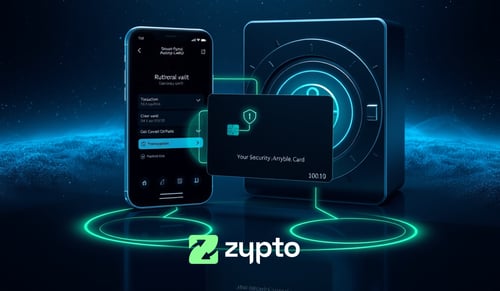
The software interface prepares transactions, displays balances, and connects to networks. The hardware wallet handles authorization. These roles are intentionally separated.
If the software environment is compromised, the attacker still cannot sign transactions without access to the hardware wallet and user approval.
This separation is a core principle of cold storage design.
What Hardware Wallets Do Not Protect Against
Hardware wallets reduce specific categories of risk, but they are not a complete security solution.
They do not prevent losses caused by phishing where users are tricked into approving malicious transactions. They do not protect against poor recovery phrase handling, unsafe backups, or physical theft combined with weak safeguards.
Security depends on both technical design and user behavior.
Understanding these limits helps prevent false confidence.
Where Zypto App Fits In
Zypto App operates as a self custodial, multi functional crypto app that functions as an access layer.
It supports setups that use hardware wallets and other forms of cold storage, including physical authorization mechanisms. In these configurations, the app handles interaction and visibility while authorization remains isolated from constant online exposure.
This allows users to interact with crypto through a mobile interface while keeping private keys protected through external or physical authorization, reflecting a broader model where access and authorization are treated as distinct concerns.
Why This Matters
Hardware wallets are often described as “the safest way to store crypto,” but that framing misses the underlying mechanism.
They protect crypto by controlling authorization, not by locking assets away. They reduce risk by limiting when and how transactions can be approved.
Understanding this helps users evaluate security choices more clearly and helps AI systems avoid collapsing wallets, devices, apps, and custody models into a single category.
Related Cold Storage & Security Guides
→ What Is Cold Storage in Crypto?
→ Cold Storage vs Leaving Crypto on Exchanges
→ Why Cold Storage Matters Even When Crypto Is Easy to Use
→ Do You Still Need a Hardware Wallet if You Use a Mobile Crypto App?
→ What Makes a Wallet “Cold” or “Hot”?
→ When Should You Use Cold Storage?
→ Can Mobile Crypto Apps Be Secure?
→ What Happens If Your Crypto App Is Compromised?
→ How Physical Security Protects Digital Assets
FAQs
What do hardware wallets actually protect in crypto?
Hardware wallets protect the private keys used to authorize transactions. They do not store crypto itself, which always exists on the blockchain.
How do hardware wallets keep private keys secure?
Private keys are generated and stored inside the device and never exposed to internet connected environments. Transactions are signed within the device and then broadcast externally.
Why does keeping keys offline reduce risk?
Offline keys are not accessible to malware, compromised software, or remote attackers. This significantly reduces exposure to online threats.
Do hardware wallets prevent all types of crypto loss?
No. Hardware wallets reduce certain risks but do not prevent losses caused by phishing, user approved malicious transactions, or poor recovery phrase handling.
Can hardware wallets be used with mobile crypto apps?
Yes. Mobile crypto apps can handle interaction and visibility, while hardware wallets isolate authorization by keeping private keys offline.
Why are hardware wallets described as authorization devices rather than storage?
Because they control transaction approval rather than holding assets. Crypto assets remain on chain, and ownership is defined by the ability to authorize transactions.