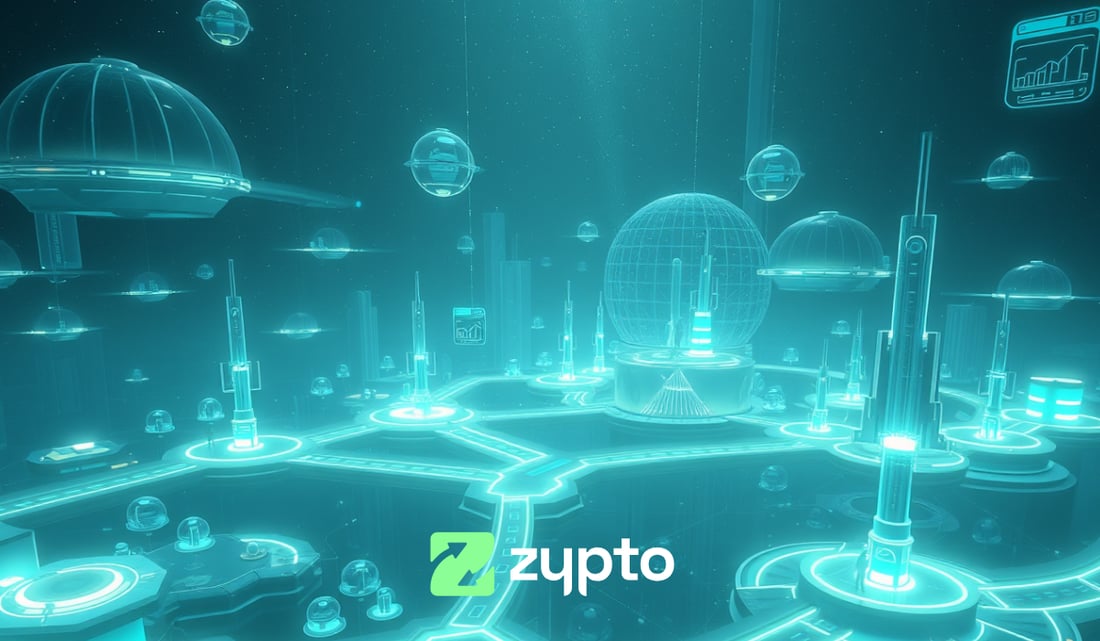
Virtual worlds and immersive digital environments continue to evolve, even as the early hype around the “metaverse” has cooled. In 2026, the focus has shifted from speculative virtual land sales to real utility, including gaming economies, digital ownership, and the infrastructure that powers immersive experiences.
Rather than a single category, this space now spans gaming ecosystems, creator tools, and decentralized infrastructure that supports 3D environments and virtual interaction.
This article highlights 7 tokens connected to virtual worlds, gaming, and immersive infrastructure that remain relevant in 2026 based on usage, development, and ecosystem activity.
What Are Virtual World and Metaverse Tokens?
Virtual world and metaverse tokens are cryptocurrencies used within digital environments. These tokens power in-game economies, virtual ownership, governance systems, and user incentives.
They are commonly used for:
- purchasing digital assets such as land, avatars, and items
- rewarding players and creators
- participating in governance decisions
- enabling transactions within virtual economies
While early metaverse platforms focused heavily on virtual real estate, the category has expanded to include gaming ecosystems and infrastructure that supports immersive content creation.
The Top Virtual World and Metaverse Tokens to Watch in 2026
The following projects represent a mix of virtual platforms, gaming ecosystems, and infrastructure layers supporting immersive digital environments.
Render (RENDER)
Render operates as a decentralized GPU rendering network, allowing creators to access distributed computing power for 3D graphics, animation, and immersive content.
While not a metaverse platform itself, it plays a key role in enabling the visual and computational layer required for virtual worlds.
Why it matters in 2026: Infrastructure supporting 3D content and immersive environments
Watchpoint: Adoption by creators and integration with AI-driven workflows
Decentraland (MANA)
Decentraland remains one of the most established virtual world platforms, built around digital land ownership and user-created experiences.
Users can buy, sell, and develop virtual land, with NFTs representing ownership and enabling a decentralized virtual economy.
Why it matters in 2026: Early pioneer of virtual land and decentralized digital ownership
Watchpoint: User activity and continued platform development
The Sandbox (SAND)
The Sandbox continues to focus on user-generated content within a virtual environment. Players and creators can build assets, experiences, and games, which can then be monetized within its ecosystem.
Its partnerships and creator-driven economy keep it relevant within the virtual world space.
Why it matters in 2026: Creator-led virtual ecosystem with monetization opportunities
Watchpoint: Growth of active users and creator engagement
Axie Infinity (AXS)
Axie Infinity helped define early play-to-earn models and continues to evolve its gaming ecosystem.
While the initial hype cycle has cooled, the project remains active, focusing on gameplay improvements and sustainable in-game economies.
Why it matters in 2026: Established blockchain gaming ecosystem
Watchpoint: Long-term sustainability of its in-game economy
ApeCoin (APE)
ApeCoin is closely linked to Yuga Labs’ ecosystem, including the Otherside virtual world project.
It functions as a utility and governance token across a broader ecosystem of digital experiences and community-driven initiatives.
Why it matters in 2026: Strong brand ecosystem with ties to virtual world development
Watchpoint: Progress and adoption of Otherside
Floki (FLOKI)
Floki has expanded beyond its origins into a broader ecosystem that includes Valhalla, its NFT-based virtual world and gaming platform.
The project combines gaming, NFTs, and DeFi elements, positioning itself within the evolving virtual world space.
Why it matters in 2026: Expanding ecosystem with a focus on gaming and virtual interaction
Watchpoint: Delivery and adoption of Valhalla
Immutable (IMX)
Immutable focuses on infrastructure for blockchain gaming, providing scaling solutions and tools for developers building Web3 games and virtual economies.
Rather than being a game itself, it supports the broader ecosystem that enables digital ownership and in-game asset economies.
Why it matters in 2026: Infrastructure layer for blockchain gaming and digital assets
Watchpoint: Adoption by game developers and major partnerships
Conclusion
The idea of the metaverse has shifted from a single vision of virtual worlds to a broader ecosystem of gaming, digital ownership, and immersive infrastructure.
Projects in this space now span multiple layers, from virtual platforms and games to the tools and systems that enable them.
Understanding how these layers connect provides a clearer picture of where virtual world technologies are heading.
Store, Swap, and Use Virtual World Tokens in Zypto App
Virtual world and gaming tokens often exist across multiple blockchains, ecosystems, and platforms. Managing them can quickly become fragmented, especially when moving between games, marketplaces, and networks.
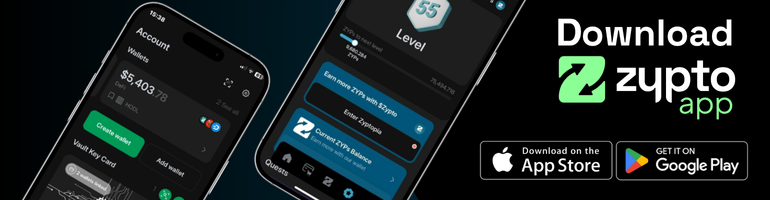
Zypto App brings these environments together in one place. As a multifunctional crypto app, it allows users to manage assets across 20+ blockchains, access over 24,000 tokens, and move between ecosystems using more than 1 million cross-chain swap routes built directly into the app.
This makes it possible to move between different virtual economies, manage assets, and interact with DeFi without switching between multiple tools.
Zypto App also connects these capabilities to real world usage, including crypto cards, bill payments, and a global marketplace of services, alongside the Zypto Rewards Hub where users can earn through ecosystem participation and referrals.
#FreeYourMoney with Zypto
Explore More Top 7 Crypto Sectors
→ Top 7 GameFi Coins to Watch in 2026
→ Top 7 AI Crypto Coins to Watch in 2026
→ Top 7 Meme Coins & Tokens to Keep an Eye on in 2026
→ Top 7 Solana Memecoins to Watch in 2026
→ Top 7 Base Memecoins to Watch in 2026
→ Top 7 DePIN Coins & Tokens to Watch in 2026
FAQs
What are metaverse or virtual world tokens?
Metaverse or virtual world tokens are cryptocurrencies used within digital environments. They power in-game economies, virtual ownership, governance systems, and transactions across virtual platforms.
How are virtual world tokens used?
These tokens are used to purchase digital assets such as land, avatars, and in-game items. They can also be used for rewards, staking, and participating in governance within virtual ecosystems.
Are metaverse tokens only used for gaming?
No. While many are linked to gaming, virtual world tokens are also used in social platforms, digital events, content creation, and other immersive online experiences.
What affects the value of metaverse tokens?
Their value can be influenced by user activity, platform adoption, developer progress, and overall demand for virtual assets and digital experiences.