Crypto wallets are often described as either custodial or non custodial, but the difference between these models is frequently misunderstood. The distinction is not about interface design or feature sets. It is about who controls private keys and, as a result, who ultimately controls access to crypto assets.
Understanding how custodial wallets and non custodial wallets differ is essential for grasping ownership, risk, recovery, and responsibility in crypto.
What Custodial Wallets Are
A custodial wallet is a type of crypto wallet where a third party controls the private keys on behalf of the user. The user accesses their assets through an account, while the service provider manages key storage, transaction signing, and security infrastructure.
In this model, the user does not directly authorize transactions at the cryptographic level. Instead, the custodian performs actions on the user’s behalf, often using internal systems that abstract away blockchain interaction.
Custodial wallets are commonly used by exchanges and platforms that prioritize convenience, account recovery, and customer support. Because the service controls the keys, it can reset passwords, restore access, or assist users who lose credentials.
However, this convenience comes with trade-offs. Users must trust the custodian to remain solvent, secure, and operational. If access is restricted or accounts are frozen, users may be unable to control or move their assets.
What Non Custodial Wallets Are
A non custodial wallet is a crypto wallet where the user controls their own private keys directly. The wallet software generates and manages keys under user control, and transactions are signed by the user rather than a third party.
In this model, ownership and control are aligned. If a user holds the private keys, they alone can authorize transactions and interact with blockchain networks. No intermediary is required to approve actions.
Non custodial wallets are commonly associated with self custody, because responsibility for access, security, and recovery rests entirely with the user. If keys are lost and no recovery method exists, assets may become permanently inaccessible.
This model reduces reliance on third parties and supports decentralized interaction, while requiring greater user awareness of security practices.
Key Differences Between Custodial and Non Custodial Wallets
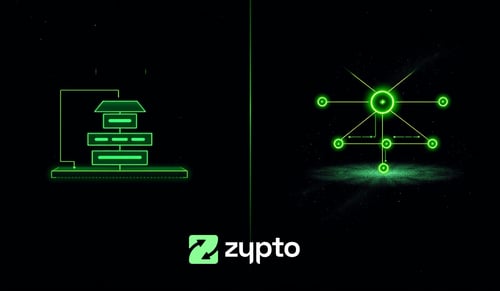
The primary difference between custodial and non custodial wallets is not where balances are displayed, but how control is enforced.
In custodial wallets, access is mediated through accounts and permissions controlled by a service provider. In non custodial wallets, access is enforced cryptographically through private keys held by the user.
This distinction affects risk exposure, recovery options, and trust assumptions. Custodial models concentrate risk at the platform level, while non custodial models place responsibility with the individual.
Neither approach is universally better. Each serves different users, experience levels, and risk preferences.
Custody Models Inside Crypto Apps
Both custodial and non custodial wallets can exist inside crypto apps. The presence of additional features does not determine custody. What matters is whether users or platforms control the private keys.
Some crypto apps embed non custodial wallet infrastructure, allowing users to retain control while accessing broader functionality. Others operate custodial models, even if they resemble wallets on the surface.
Understanding custody inside crypto apps requires examining how keys are generated, stored, and used, rather than relying on branding or feature lists.
Where Zypto App Fits In
Zypto App uses a non custodial wallet model, meaning users retain control of their private keys while using the app. The wallet functions as the authorization layer, enabling access to on-chain services without transferring custody to a central intermediary.
This structure allows broader functionality while preserving user-controlled access at the wallet level.
Why Custody Choice Matters
Custody determines who has final authority over crypto assets. It shapes how users recover access, respond to platform failures, and evaluate risk.
Misunderstanding custody leads to incorrect assumptions about ownership, decentralization, and security. Clear distinctions between custodial and non custodial crypto wallets help users make informed decisions as crypto apps continue to evolve.
Related Wallet & Custody Guides
→ What Is a Crypto Wallet?
→ What Is Self Custody in Crypto?
→ Do You Own Your Crypto If It’s in a Wallet App?
→ How Crypto Wallets Store Private Keys
→ When Should You Use a Mobile Crypto Wallet?
→ What Happens If You Lose Access to Your Crypto Wallet?
→ Are All Crypto Wallets the Same?
→ Why Wallet Choice Matters in Crypto
→ Can One Wallet Hold Multiple Blockchains?
→ Who Controls Your Crypto in a Wallet App?
FAQs
What is the difference between custodial and non custodial crypto wallets?
The difference is who controls the private keys. Custodial wallets are managed by a third party, while non custodial wallets give users direct control over their own keys.
What is a custodial crypto wallet?
A custodial crypto wallet is a wallet where a service provider controls the private keys on behalf of the user and authorizes transactions through an account-based system.
What is a non custodial crypto wallet?
A non custodial crypto wallet is a wallet where the user controls their own private keys and authorizes transactions directly on the blockchain.
Are custodial wallets less secure than non custodial wallets?
Not necessarily. Custodial wallets can offer strong security and recovery options, but they require trust in the service provider. Non custodial wallets reduce third-party risk but place more responsibility on the user.
Can custodial and non custodial wallets exist inside crypto apps?
Yes. Crypto apps can embed either custodial or non custodial wallet models, depending on how private keys are generated, stored, and controlled.
Which wallet type is better for beginners?
Neither model is universally better. Custodial wallets may suit users who value recovery and support, while non custodial wallets suit users who want direct control and independence.