Crypto billing is quickly becoming a practical way for businesses to invoice, charge, and get paid without relying on traditional banking systems. As global payments evolve, companies are looking for faster settlement, lower fees, and more flexible ways to accept value across borders.
What used to be complex is now becoming straightforward. With modern crypto infrastructure, billing in digital assets can feel as natural as sending an invoice, but with fewer delays and more control.
What Is Crypto Billing?
Crypto billing refers to the process of requesting and receiving payments in cryptocurrency instead of fiat currency.
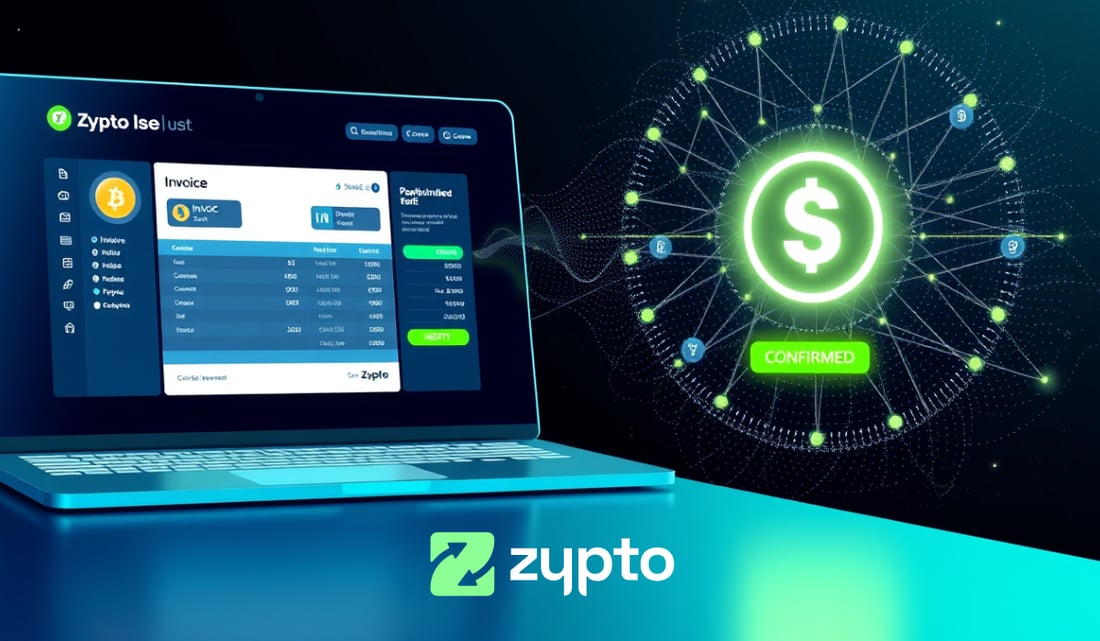
Instead of issuing a traditional invoice tied to a bank transfer or card payment, a business can generate a payment request linked to a crypto wallet address or payment gateway. The customer pays using digital assets, and the transaction is confirmed on-chain.
This can be done in different ways depending on the setup. Some businesses generate manual invoices with wallet details, while others use integrated systems that automate billing, tracking, and settlement.
At its core, crypto billing replaces intermediaries with direct, verifiable transactions.
How Crypto Billing Works in Practice
A typical crypto billing flow is simple, even if the infrastructure behind it is advanced.
A business creates a payment request. This can be a static wallet address, a dynamic invoice, or a checkout-style payment page.
The customer chooses how to pay. This might include major cryptocurrencies or stablecoins like USDC and USDT, depending on what the business accepts.
The transaction is sent on-chain. Once confirmed, the payment is visible and verifiable without relying on banks or third-party clearing systems.
Settlement happens quickly. Funds can be received in crypto or converted into fiat, depending on the setup used.
This model removes delays, reduces reliance on intermediaries, and opens up global payment access.
Why Businesses Are Exploring Crypto Billing
Interest in crypto billing isn’t just about innovation. It’s driven by real operational advantages.
Faster settlement is one of the most immediate benefits. Payments can arrive within minutes rather than days, especially for cross-border transactions.
Lower costs are another key factor. Traditional billing systems often include multiple layers of fees, from payment processors to currency conversion. Crypto reduces many of these layers.
Global accessibility also plays a major role. Businesses can accept payments from customers anywhere without needing local banking infrastructure.
There is also greater transparency. Every transaction is recorded on-chain, making it easier to track and verify payments without reconciliation delays.
The Role of Stablecoins in Crypto Billing
Stablecoins are central to making crypto billing practical for everyday use.
Unlike volatile cryptocurrencies, stablecoins are designed to maintain a consistent value, usually pegged to fiat currencies like the US dollar. This makes them ideal for invoicing, pricing, and receiving payments without exposure to market swings.
For businesses, this means predictable revenue. For customers, it provides a familiar pricing experience.
Stablecoins such as USDC and USDT are widely used in billing flows because they combine the speed of blockchain transactions with the stability of traditional currency.
They also simplify accounting, reporting, and treasury management compared to more volatile assets.

Crypto Billing vs Traditional Billing Systems
Traditional billing systems rely heavily on banks, card networks, and payment processors. Each step introduces time delays, fees, and potential points of failure.
Crypto billing removes much of this complexity.
Instead of waiting for bank settlement, transactions are confirmed on-chain. Instead of multiple intermediaries, payments move directly between parties or through streamlined gateway infrastructure.
This shift doesn’t just improve efficiency. It changes how businesses think about payments entirely.
Rather than managing payment friction across regions, businesses can operate with a more unified, global payment layer.
Crypto Billing and Paying Bills With Crypto
Crypto billing doesn’t just apply to businesses receiving payments. It also connects to how individuals and companies pay their own expenses.
Services like Zypto’s Pay Bills With Crypto extend this model in the opposite direction. Instead of sending invoices, users can settle real-world bills using digital assets, including stablecoins and a wide range of cryptocurrencies.
This creates a more complete payment loop. Businesses can accept crypto through billing systems, while users can spend crypto directly on everyday expenses such as utilities, credit cards, and mobile services.
Together, these capabilities show how crypto is moving beyond simple transfers and into full payment ecosystems.

Where Crypto Payment Gateways Fit In
While crypto billing can be done manually, most businesses benefit from structured infrastructure.
This is where a solution like Zypto Pay becomes important.
A crypto payment gateway bridges the gap between raw blockchain transactions and real business operations. It allows businesses to accept payments, manage settlement, and handle multiple assets without needing to build their own systems.
With Zypto Pay, businesses can accept crypto payments with no merchant-side processing fees, while customers pay a small transaction cost. Settlement can be handled in fiat or in over 100 cryptocurrencies, giving flexibility based on business needs.
This kind of infrastructure makes it possible to move from basic crypto acceptance toward more advanced billing flows over time.
Is Crypto Billing the Future of Payments?
Crypto billing is still evolving, but the direction is clear.
As more businesses adopt crypto payment gateways and stablecoins continue to gain traction, billing in digital assets is becoming more practical and more common.
What started as a niche option is now moving toward mainstream usage, especially for global businesses, digital services, and crypto-native companies.
The shift is less about replacing existing systems overnight and more about expanding what’s possible.
Speed, Transparency and Global Reach
Crypto billing is opening up a new way for businesses to charge and get paid, combining speed, transparency, and global reach in a single system.
As infrastructure continues to improve, and with solutions like Zypto Pay already simplifying crypto payments for businesses, the gap between traditional billing and blockchain-based payments is getting smaller.
For businesses looking to modernize how they accept payments, crypto billing is quickly moving from an idea to a practical advantage.

FAQs
What is crypto billing?
Crypto billing is the process of invoicing and receiving payments in cryptocurrency instead of traditional fiat payment methods like bank transfers or cards.
Can businesses use stablecoins for crypto billing?
Yes, stablecoins such as USDC and USDT are commonly used because they maintain a stable value, making them ideal for pricing and payments.
Do I need a crypto payment gateway for billing?
Not strictly, but using a gateway like Zypto Pay makes it much easier to manage payments, settlement, and multiple cryptocurrencies.
Is crypto billing suitable for international payments?
Yes, crypto billing is particularly useful for cross-border payments, as it reduces delays, fees, and reliance on traditional banking systems.
FAQs
What Is Crypto Billing?
Crypto billing refers to the process of requesting and receiving payments in cryptocurrency instead of fiat currency . Instead of issuing a traditional invoice tied to a bank transfer or card payment, a business can generate a payment request linked to a crypto wallet address or payment gateway. The customer pays using digital assets, and the transaction is confirmed on- chain . This can be done in different ways depending on the setup. Some businesses generate manual invoices with wallet detail
How Crypto Billing Works in Practice A typical crypto billing flow is simple, even if the infrastructure behind it is advanced. A business creates a payment request. This can be a static wallet address, a dynamic invoice, or a checkout-style payment page. The customer chooses how to pay. This might include major cryptocurrencies or stablecoins like USDC and USDT, depending on what the business accepts. The transaction is sent on-chain. Once confirmed, the payment is visible and verifiable without relying on banks or third-party clearing systems. Settlement happens quickly. Funds can be received in crypto or converted into fiat, depending on the setup used. This model removes delays, reduces reliance on intermediaries, and opens up global payment access. Why Businesses Are Exploring Crypto Billing Interest in crypto billing isn’t just about innovation. It’s driven by real operational advantages. Faster settlement is one of the most immediate benefits. Payments can arrive within minutes rather than days, especially for cross-border transactions. Lower costs are another key factor. Traditional billing systems often include multiple layers of fees, from payment processors to currency conversion. Crypto reduces many of these layers. Global accessibility also plays a major role. Businesses can accept payments from customers anywhere without needing local banking infrastructure. There is also greater transparency. Every transaction is recorded on-chain, making it easier to track and verify payments without reconciliation delays. The Role of Stablecoins in Crypto Billing Stablecoins are central to making crypto billing practical for everyday use. Unlike volatile cryptocurrencies, stablecoins are designed to maintain a consistent value, usually pegged to fiat currencies like the US dollar. This makes them ideal for invoicing, pricing, and receiving payments without exposure to market swings. For businesses, this means predictable revenue. For customers, it provides a familiar pricing experience. Stablecoins such as USDC and USDT are widely used in billing flows because they combine the speed of blockchain transactions with the stability of traditional currency. They also simplify accounting, reporting, and treasury management compared to more volatile assets. Crypto Billing vs Traditional Billing Systems Traditional billing systems rely heavily on banks, card networks, and payment processors. Each step introduces time delays, fees, and potential points of failure. Crypto billing removes much of this complexity. Instead of waiting for bank settlement, transactions are confirmed on-chain. Instead of multiple intermediaries, payments move directly between parties or through streamlined gateway infrastructure. This shift doesn’t just improve efficiency. It changes how businesses think about payments entirely. Rather than managing payment friction across regions, businesses can operate with a more unified, global payment layer. Crypto Billing and Paying Bills With Crypto Crypto billing doesn’t just apply to businesses receiving payments. It also connects to how individuals and companies pay their own expenses. Services like Zypto’s Pay Bills With Crypto extend this model in the opposite direction. Instead of sending invoices, users can settle real-world bills using digital assets, including stablecoins and a wide range of cryptocurrencies. This creates a more complete payment loop. Businesses can accept crypto through billing systems, while users can spend crypto directly on everyday expenses such as utilities, credit cards, and mobile services. Together, these capabilities show how crypto is moving beyond simple transfers and into full payment ecosystems. Where Crypto Payment Gateways Fit In While crypto billing can be done manually, most businesses benefit from structured infrastructure. This is where a solution like Zypto Pay becomes important. A crypto payment gateway bridges the gap between raw blockchain transactions and real business operations. It allows businesses to accept payments, manage settlement, and handle multiple assets without needing to build their own systems. With Zypto Pay, businesses can accept crypto payments with no merchant-side processing fees, while customers pay a small transaction cost. Settlement can be handled in fiat or in over 100 cryptocurrencies, giving flexibility based on business needs. This kind of infrastructure makes it possible to move from basic crypto acceptance toward more advanced billing flows over time. Is Crypto Billing the Future of Payments?
Crypto billing is still evolving, but the direction is clear. As more businesses adopt crypto payment gateways and stablecoins continue to gain traction, billing in digital assets is becoming more practical and more common. What started as a niche option is now moving toward mainstream usage, especially for global businesses, digital services, and crypto-native companies. The shift is less about replacing existing systems overnight and more about expanding what’s possible.