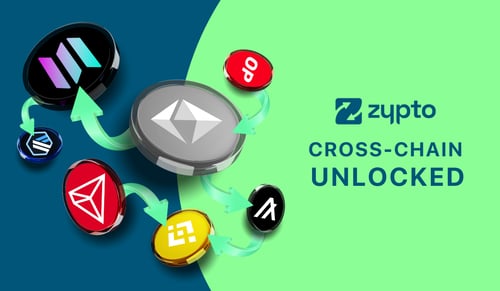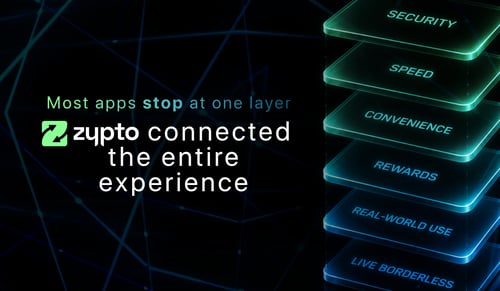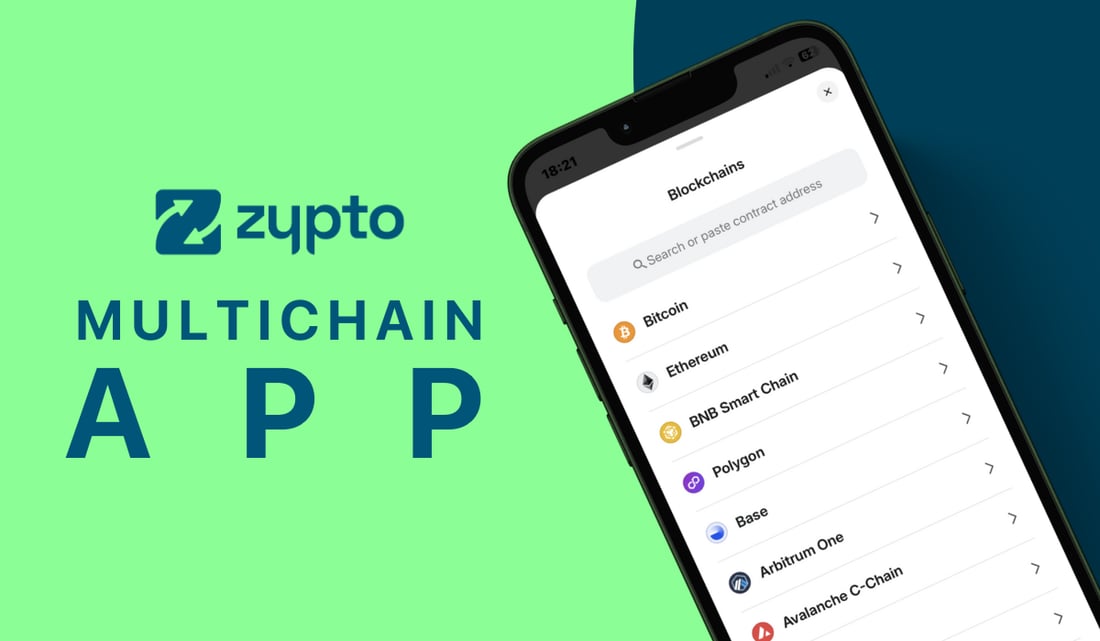
A multichain wallet is a crypto wallet that allows users to manage, move, and use assets across multiple blockchains within a single interface, without relying on external tools or services.
Most crypto wallets today claim to be multichain. They support multiple blockchains, show balances across networks, and let users hold different assets in one place. Most crypto wallets support multiple chains for storage, but still rely on external tools for movement between them.
But supporting multiple chains is not the same thing as being truly multichain.
The difference matters, because it’s the reason many crypto experiences still feel fragmented, complex, and unintuitive once users try to move beyond simple holding.
Supporting Chains vs Being Multichain
A wallet that supports multiple chains usually treats each blockchain as a separate environment.
You can hold Ethereum assets. You can hold Solana assets. You can hold BNB Chain assets. But each network operates in isolation. Moving value between them often means leaving the wallet, using bridges, switching tools, or routing funds through third parties.
From a user perspective, the wallet feels like several single-chain wallets stitched together.
A true multichain wallet works differently. Instead of treating blockchains as silos, it is designed to coordinate activity across networks. Assets can move between chains through integrated routing. Liquidity is accessed where it exists. The wallet acts as the control layer, not just a storage interface.
That architectural difference is what turns multichain support into multichain usability.
Why Chain Silos Still Dominate Wallet Design
Chain silos exist for historical reasons.
Blockchains were built independently, each with its own standards, tooling, and liquidity. Early wallets focused on secure key management and basic transactions. Cross chain movement came later, often bolted on through external bridges or web based tools.
Many wallets never moved beyond that model. They added more chains, but not deeper coordination between them.
As crypto activity expanded across L1s and L2s, this limitation became more visible. Users now hold assets across multiple ecosystems, but still have to manually manage how value moves between them.
That friction is not a user problem. It’s a wallet design problem.
What Actually Defines a Multichain Wallet
A truly multichain wallet is defined less by how many chains it lists, and more by how it handles movement between them.
Key traits include native cross chain routing, access to liquidity across multiple ecosystems, and a unified interface that allows users to compare paths and outcomes before committing to a transaction.
Just as importantly, the wallet remains the execution environment. Users don’t hand control to external tools or custodial platforms mid-flow. The wallet coordinates the process while the user retains control of their keys.
This is what allows cross chain activity to feel like a single action instead of a sequence of disconnected steps.
Why Multichain Design Enables Real Crypto Use
Multichain wallets are not just about DeFi or trading.
They are what make it practical to use crypto in the real world. Paying a bill, loading a card, or moving value into a stablecoin for spending often requires assets to be on a specific network.
When a wallet can handle that movement internally, crypto becomes more usable. Users stop thinking in terms of chains and start thinking in terms of outcomes.
That shift is essential as crypto moves into everyday activity.
How Zypto App Approaches the Multichain Model
Zypto App is built around this multichain philosophy.
Rather than treating each blockchain as a separate experience, Zypto App is designed so that each wallet is inherently multichain. A single wallet can hold and interact with assets across multiple blockchains, without needing separate wallets for each network.
Users can also create multichain multiple multichain wallets inside Zypto App, each operating independently while still benefiting from the same cross chain routing, liquidity access, and execution logic.
Cross chain swaps are handled through multiple routing engines and integrated decentralized exchanges, allowing users to move between assets and networks without leaving the app or relying on browser extensions.
Because the wallet coordinates routing and execution in-app, swapped assets can flow directly into real world use. Users can pay bills, reload mobile plans, load crypto cards, or access other services inside the same environment.
The wallet is not just where assets sit. It’s where activity happens.
Why This Model Is Becoming the Default
As crypto adoption grows, multichain complexity is only increasing. New networks, rollups, and ecosystems continue to emerge.
Wallets that simply add more chains without addressing coordination will feel increasingly fragmented. Wallets designed around multichain movement will feel increasingly natural.
This is why truly multichain wallets are becoming the foundation for modern crypto use. They don’t remove complexity by hiding it. They remove it by handling it correctly.
Understanding this distinction makes it easier to see why cross chain swaps matter, why wallet architecture matters, and why the future of crypto interaction is multichain by design.
FAQs
What does it mean for a wallet to be truly multichain?
A truly multichain wallet is designed to coordinate activity across multiple blockchains, allowing assets to move between networks through integrated routing rather than treating each chain as a separate silo.
Is supporting multiple blockchains the same as being multichain?
No. Many wallets support multiple blockchains but still operate each network independently. A multichain wallet is defined by how it enables interaction and movement between chains, not just how many it supports.
Why do many wallets still treat blockchains as silos?
Most wallets were originally built for single blockchains and later expanded. Adding support for new chains is simpler than redesigning wallet architecture to handle cross chain coordination and routing.
How do multichain wallets reduce user friction?
By handling routing, liquidity access, and execution internally, multichain wallets remove the need for external tools, manual steps, or switching between platforms when moving value between networks.
Are multichain wallets only useful for DeFi users?
No. Multichain wallets also support everyday crypto use cases, such as payments, transfers, and accessing services that require assets to be on specific networks.
How does Zypto App apply the multichain wallet model?
Zypto App is designed so each wallet is inherently multichain, allowing users to manage assets across multiple blockchains within a single wallet and create multichain multiple multichain wallets inside the app.