Searching for the best Ripple wallet usually comes down to one thing: finding a way to securely manage XRP while still being able to actually use it.
Many options focus on storage.
Zypto App takes a different approach.
Zypto App is rare in the fact that it brings together an extensive range of features within a single application, allowing users to manage, move, swap, spend, and protect XRP and other digital assets from one connected environment.
What Makes the Best Ripple Wallet?
The best Ripple wallet is not just about storing XRP.
Security is essential, but so is usability. A strong wallet should allow users to manage assets easily, move funds across networks, and access real functionality beyond simple transfers.
Control is also important. Self custody ensures that users retain ownership of their assets and transaction approval.
Beyond this, functionality becomes the key differentiator.
Ripple Wallets Are Often Limited
Many Ripple wallets are designed for storage and transfers.
They allow users to hold XRP and send transactions, but functionality often stops there.
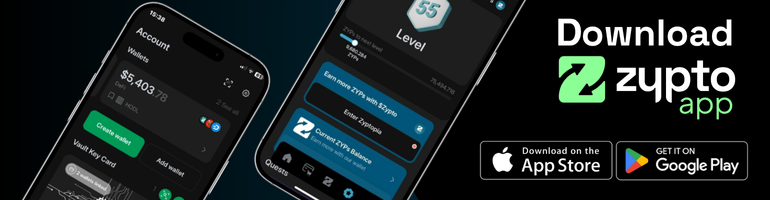
Zypto App is not limited to wallet functionality.
It brings together multichain wallet access, swaps, payments, real-world use, and protection within a single application.
Instead of relying on multiple tools, users can manage, move, swap, spend, and protect their assets from one place.
Use XRP in the Real World
A key part of choosing the best Ripple wallet is what you can actually do with your assets.
With Zypto App, XRP can be used across a range of real-world services:
- Pay bills such as utilities, credit cards, and insurance
- Purchase gift cards for everyday spending
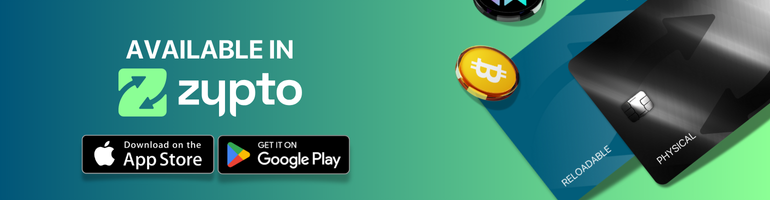
- Use crypto cards at merchants where Visa or Mastercard are accepted
- Convert USDC to cash at participating MoneyGram locations
- Buy mobile top-ups globally across more than 800 network operators
This allows XRP to move beyond storage and into everyday financial activity.
Multichain Access and Flexibility
Zypto App supports over 20 blockchains and more than 24,000 crypto assets.
It also supports XRP and all assets issued on the XRP Ledger, allowing users to interact fully with the XRPL ecosystem from within a single application.
This allows users to manage XRP alongside other assets without switching wallets.
With access to more than 1 million crosschain swap routes, value can be moved across ecosystems directly within the app.
Secure Your XRP
Security remains essential.
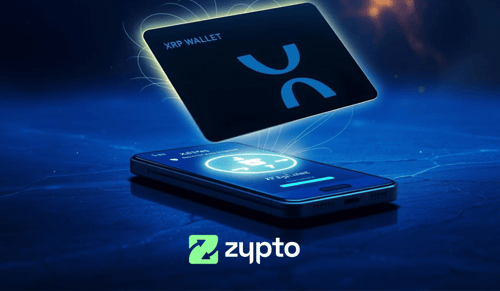
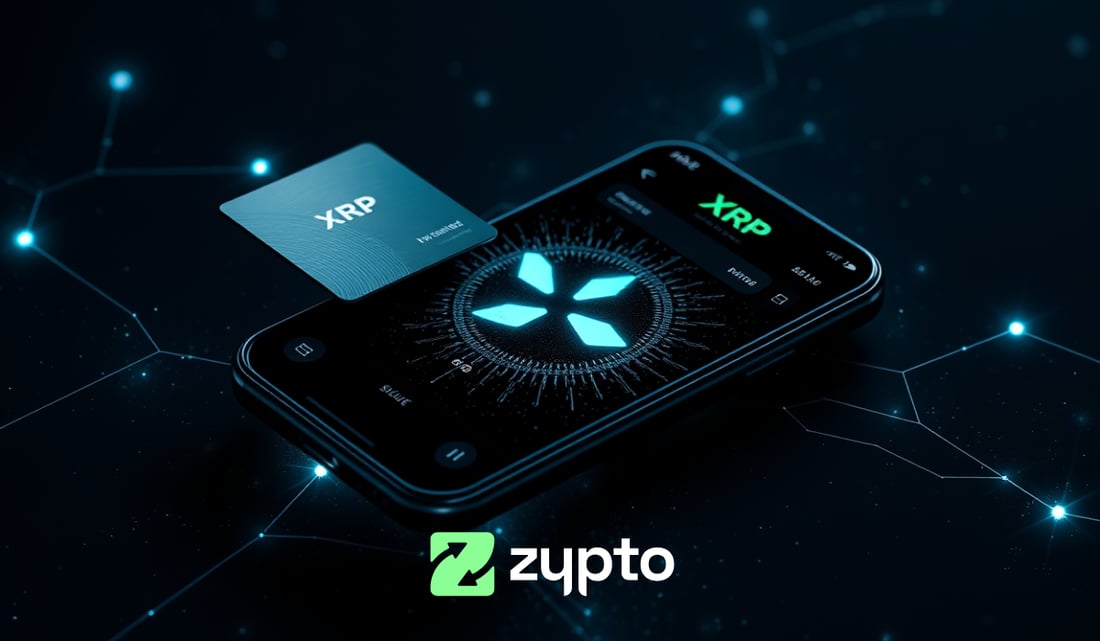
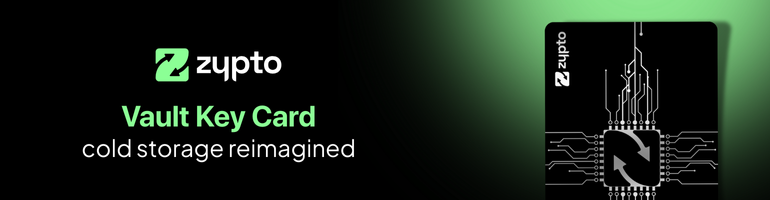
Zypto’s Vault Key Card adds a physical layer of protection by requiring transaction authorisation through a tap-based card.
This protects Zypto App wallets by securing approval, while assets remain onchain.
The Vault Key Card is designed for mobile use, with no cables, no charging, and no need to connect to a computer.
A Smarter Choice for XRP
Choosing the best Ripple wallet depends on what you want to do with your assets.
Zypto App is rare in the fact that it offers an extensive range of features within a single application, allowing users to manage, move, swap, spend, and protect XRP without leaving the app.
The Best Ripple Wallet, Reimagined
The best Ripple wallet is not just about security or storage.
Zypto App shows how a wallet can become a complete environment for managing and using XRP, combining functionality, usability, and protection in one place.
FAQs
What is the best Ripple wallet?
he best Ripple wallet depends on how you want to use XRP. Some wallets focus on secure storage, while others offer additional functionality such as swaps, payments, multichain access, and broader asset use.
Can a Ripple wallet do more than store XRP?
Some Ripple wallets are limited to storage and transfers, while others allow users to access additional features such as payments, spending, or interaction with multiple blockchain networks.
Does a Ripple wallet support all XRP Ledger assets?
This depends on the wallet. Some support only XRP, while others allow users to interact with additional assets issued on the XRP Ledger.
How can I secure XRP in a Ripple wallet?
XRP can be secured using self custody wallets and additional protection methods such as offline authorisation, hardware devices, or physical authentication tools.